
First Man (2018)
Witnessing the Silence of the First Man on the Moon
by 10days1movie · Published 2026-11-12
| Type | Movie |
|---|---|
| Director | Damien Chazelle |
| Cast | Ryan Gosling, Claire Foy, Jason Clarke |
| Release | 2018 |
| Genre | History, Drama |
| Runtime | 141min |
Films about great achievements usually inflate the moment heroically. First Man goes the opposite way. Damien Chazelle views the event of humanity first setting foot on the Moon through the sorrow and silence of the one man who did it. If you expect a dazzling space adventure, you may be puzzled. But as you follow the inner life of the man named Neil Armstrong, you slowly come to understand why this restraint was necessary. It is a work different in grain from the familiar biography, one whose three-and-a-half-star weight is entirely convincing.
What it’s about — Not a hero, but one man’s story
The film traces the years from 1961 to 1969, from Neil Armstrong (Ryan Gosling) as a test pilot to becoming the commander of Apollo 11. At its starting point lies the loss of a young daughter to illness. Rather than the vast history of the space race, Chazelle focuses on how the one man who shouldered that history endures his grief. Everyone knows the ending of the Moon landing, but the film newly reveals the heart of the man arriving at that ending.

Direction — Enormous tension inside a narrow frame
Damien Chazelle’s direction is unexpectedly, almost suffocatingly close. The camera shakes, trapped inside the cockpit, showing only the instrument panel and Armstrong’s eyes. Instead of showing the vastness of space, it transmits the terror and vibration felt inside a small capsule directly into the viewer’s body. The creak of metal, the ragged breathing, the trembling that fills the screen make the danger of the flight vivid.
Then, at the moment of arriving on the Moon, the film suddenly strips away all noise. That contrast, the narrow and noisy screen opening at once into something still and vast, is the core of this film’s direction. It is the passage where Chazelle’s choice not to treat a great event with a loud voice shines brightest.
Performance — Ryan Gosling, swallowing it all inward
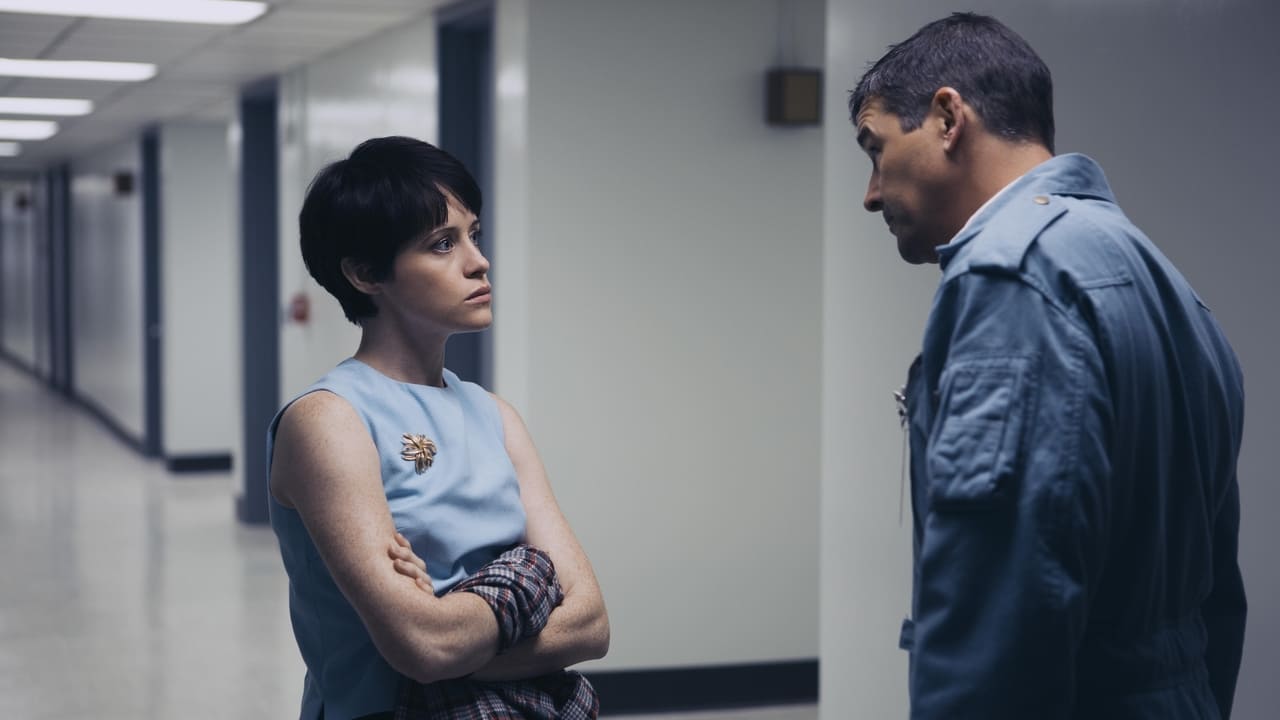
Ryan Gosling paints Neil Armstrong through acting that scarcely reveals expression. The man swallows both sorrow and fear inward, making it a demanding role for an actor. Gosling shows the cracks within the restraint. The minute tremor of a man straining not to collapse is held inside his silence. Beside him, Janet, the wife played by Claire Foy, is the figure who detonates the film’s emotion in his place. Without her performance, colliding with her husband’s silence and raging at it, this film would have been far colder.
What the film says — The far side of one giant leap
First Man looks at the personal cost hidden behind humanity’s leap. Countless colleagues lose their lives, and the family endures, each time, a farewell that may have no return. The film does not wrap all that sacrifice in a hero’s medal. The final passage, where the film quietly hints at what Armstrong might have recalled standing on the Moon, shows that greatness and grief can dwell together within one person. The film never forgets, to the very end, how heavy history’s giant step was for a single human being.
Ratings & reception
Its IMDb score is 7.3. Its Rotten Tomatoes freshness is 87% and Metacritic recorded 84, with critical support especially high. At the Academy Awards it won Best Visual Effects. The performances of Ryan Gosling and Claire Foy, along with the immersive sound design of the flight scenes, were evenly praised. There were also responses, however, that the intended restraint came across as distance to some viewers.
Verdict
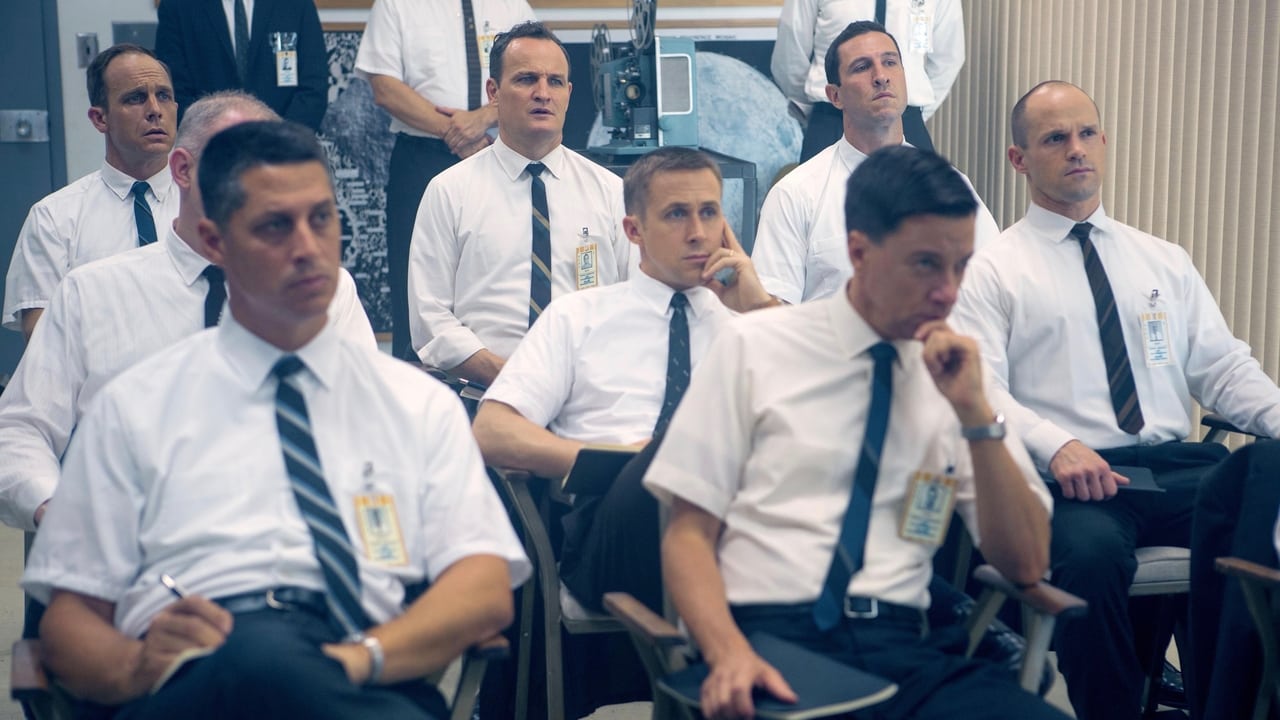
First Man unpacks the familiar story of a great figure in the most unfamiliar way. It chooses one human being’s sorrow over a hero’s feat, and narrow tension over vastness. That choice will not land for everyone, but follow it to the end and an emotion remains that an ordinary space film cannot give. Damien Chazelle’s restraint and the performances of the two leads support it solidly. 3.5 stars.
Recommended for
- Those interested in a character’s inner life more than heroics
- Those who like director Damien Chazelle’s direction
- Those who want to experience immersive flight scenes and sound
Comments