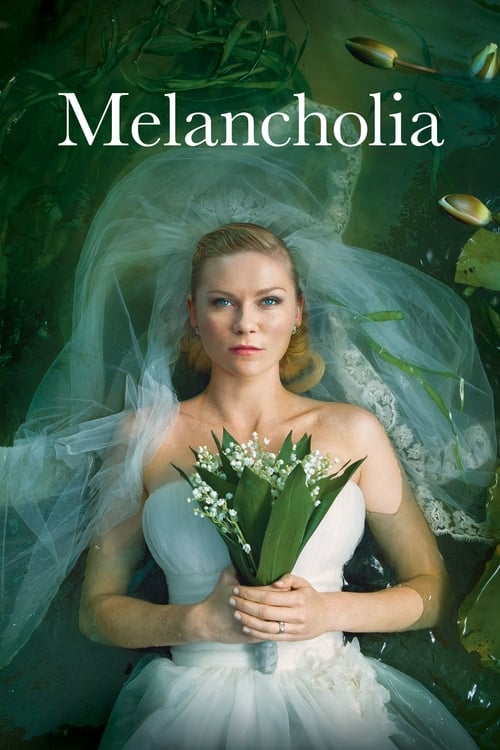
Melancholia (2011)
The Aesthetics of Depression Gazing at the World's End
by 10days1movie · Published 2026-10-03
| Type | Movie |
|---|---|
| Director | Lars von Trier |
| Cast | Kirsten Dunst, Charlotte Gainsbourg, Kiefer Sutherland, Alexander Skarsgård, Charlotte Rampling, John Hurt |
| Release | 2011 |
| Genre | Drama, Science Fiction |
| Runtime | 136min |
The film shows its ending first. In slow-motion imagery, an enormous blue planet swallows the Earth and all life disappears. Lars von Trier lays out the entire ending of the film in Melancholia’s first eight minutes. So this is not a film that makes you wonder what will happen. It is a film that gazes at how human beings collapse, and how they endure, before an end that is already decided.
What it’s about — A time of the end divided between two sisters
The film is split into two parts named after two sisters. Part one, “Justine,” depicts the lavish wedding day of the younger sister, Justine (Kirsten Dunst). On that day when everything has been perfectly prepared, the bride Justine herself is consumed by an inexplicable depression and tears the wedding apart with her own hands. Part two, “Claire,” shifts to the perspective of the elder sister, Claire (Charlotte Gainsbourg). A planet named Melancholia approaches the Earth, and as the collision draws near, the usually steady Claire is gradually seized by terror. Conversely, the deeply depressed Justine becomes strangely calm in the face of the end.
Direction — A camera fixed on faces, not the cosmos
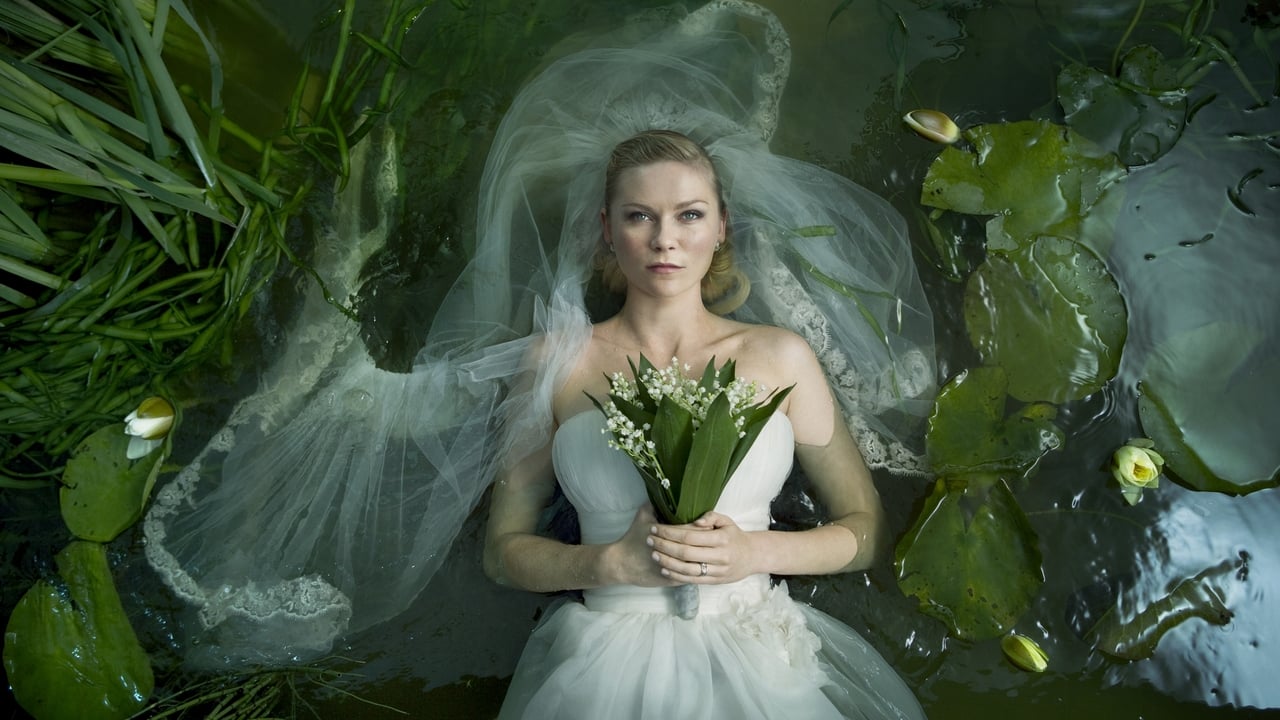
Even while dealing with the enormous subject of the end of the world, Lars von Trier fixes his camera not on the cosmos but on the characters’ faces. The contrast between part one, where a handheld camera clings closely to the characters and shakes, and part two, which sinks into static, painterly images, directly visualizes the psychological states of the two sisters. In particular, the slow-motion scenes that unfold during the film’s prologue, set to Wagner’s “Tristan und Isolde,” are as beautiful as a masterwork painting and at the same time ominous.
The true subject of this film is not the end of the world itself but the emotion of depression. Drawing on his own experience of depression, von Trier places side by side a person who collapses precisely when the world looks normal and a person who finally finds stability when the world is ending. The end is merely the event in which the outside world finally catches up to the despair Justine’s inner self has always felt. This paradoxical premise sets the film in a place entirely apart from an ordinary disaster movie.
Performance — Dunst living depression with her whole body
Kirsten Dunst won the Best Actress award at the Cannes Film Festival for this work, and that honor is by no means excessive. She does not imitate Justine’s depression through acting but lives it with her whole body. From the scene where she forces a smile at the wedding then crumbles in the bathroom, to her expression in the second half as she becomes almost serene before the end, Dunst shows, without falsehood, the process of a human being passing through the bottom of depression.
Claire, the elder sister played by Charlotte Gainsbourg, is the polar opposite of Justine. Her figure, normally trying to control everything yet the first to crumble before the end, represents the fear of our ordinary selves. The two actresses’ opposing performances interlock to complete the film’s emotional weight.
What the film says — Depression is not a defect but a perception
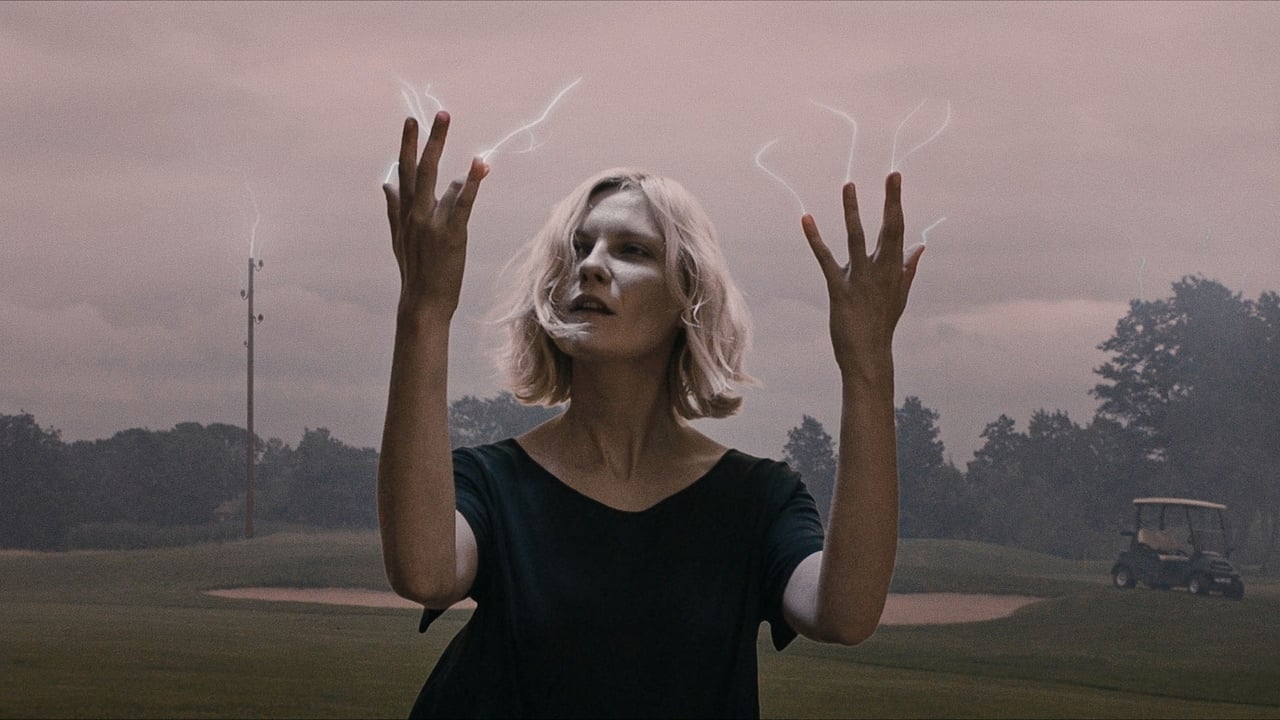
Melancholia treats the emotion of depression not as a defect but as a mode of perception. Because Justine already knew the world was essentially empty, she remains unshaken even as the end approaches. The film asks: when we accept that the world is ending, what do we cling to and what must we let go? The “magic cave” that Justine builds at the end for her young nephew is nothing more than branches that can shield against nothing, yet within that helpless comfort lies the best gesture a human being can make in the face of death.
Ratings and reception
By OMDb, the IMDb rating is 7.1. The Rotten Tomatoes freshness is 80% and the Metacritic score is 81, indicating an especially high critical evaluation. Critics highly praised Dunst’s performance, von Trier’s visual ambition, and the honest attitude with which it handles depression. That said, owing to its slow rhythm, heavy mood, and the director’s signature provocative streak, it is also a work that clearly divides opinion.

Verdict
Melancholia is not an easy film to watch. But few works visualize the emotion of depression this honestly and beautifully. It uses the end of the world as a backdrop, yet what the film ultimately gazes at is the inner landscape of a single human being. I give four stars to this work that leaves images both heavy and slow yet unforgettable. Some films offer honest confrontation instead of comfort.
Recommended for
- Those who want a film that uses disaster as a subject yet digs into the human interior
- Those who want to savor painterly and symbolic imagery
- Those drawn to a story that faces the emotion of depression head-on
Comments