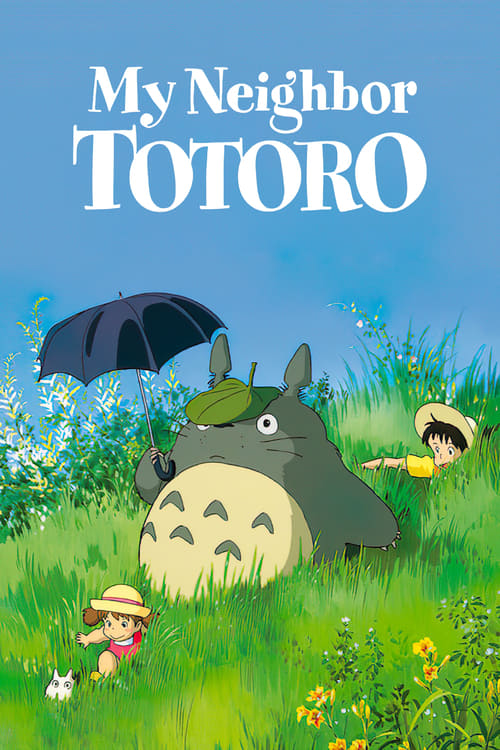
My Neighbor Totoro (1988)
A Landscape of Comfort Drawn at a Child's Eye Level
by 10days1movie · Published 2026-10-06
| Type | Movie |
|---|---|
| Director | Hayao Miyazaki |
| Cast | Noriko Hidaka, Chika Sakamoto, Hitoshi Takagi, Shigesato Itoi, Tanie Kitabayashi |
| Release | 1988 |
| Genre | Fantasy, Animation, Family |
| Runtime | 87min |
Most films have a villain to fight against and a crisis to overcome. My Neighbor Totoro has none of that. No one gets hurt, and no one harbors ill intent. It’s simply the story of two sisters who move to the countryside, adjust to a new environment, miss their hospitalized mother, and meet the spirits living in the forest. And it’s precisely that simplicity that makes this film special.
What it’s about — Sisters’ everyday life without villain or crisis
The protagonists are sisters Satsuki and Mei, who move to the countryside following their father. Their mother is hospitalized at a clinic not far away, and the children begin new days amid an unfamiliar house and fields. The younger sister, Mei, discovers a huge, round creature named Totoro in the forest. Totoro hardly speaks, is not threatening, and simply exists there. The film does not blow this encounter up into a grand event. As if to say that in a child’s world a spirit is merely a part of things both special and natural, it carries the story along calmly.
Direction — Lingering long on moments where nothing happens
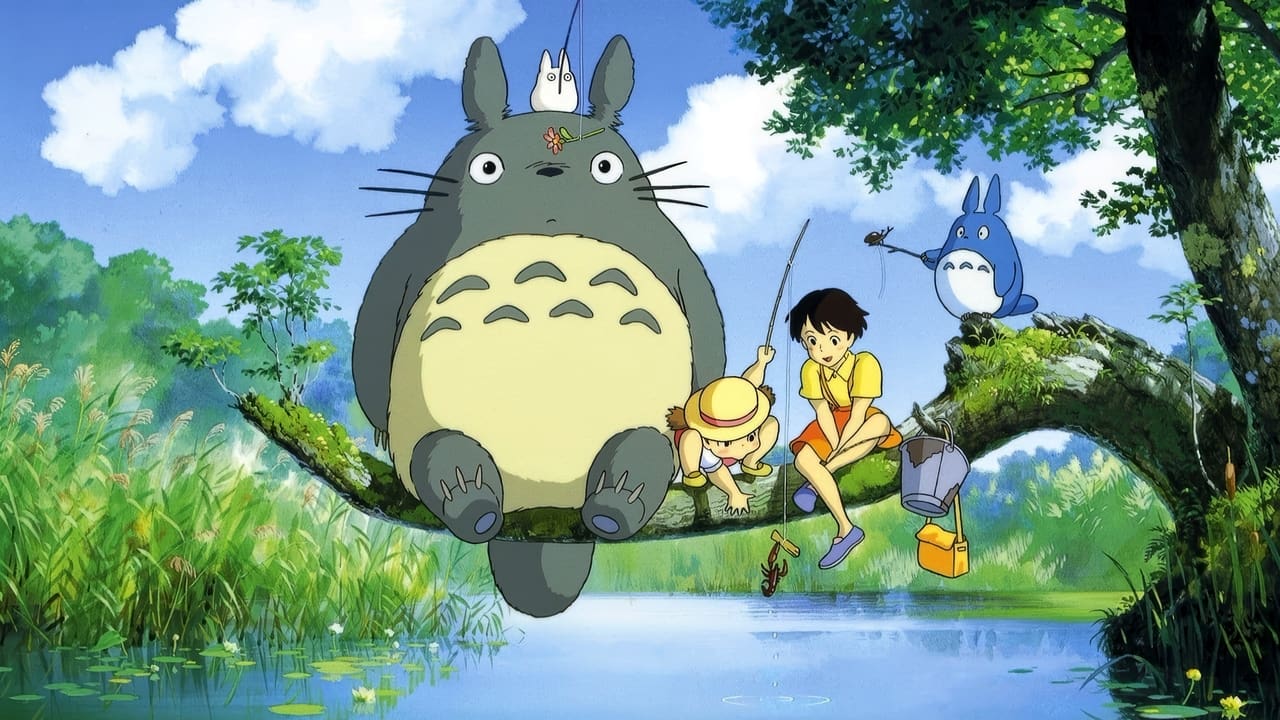
What’s most impressive in Hayao Miyazaki’s direction is his unhurried attitude. Instead of stacking up events to create tension, he lingers long on moments where nothing happens. The sound of raindrops falling on an umbrella, blades of grass swaying in the wind, the stillness of a bus stop waiting for a bus. These scenes don’t push the story forward, but they carry the audience into the children’s time. The gaze that looks at each piece of everyday life rather than letting it flow by gives the whole film a deep sense of calm.
The delicacy of the background art is also not to be missed. The 1950s Japanese rural landscape is carefully held within hand-drawn images, and the shifts of sunlight and shade quietly tell of the passing of time. Because this landscape is alive, a being like Totoro blending into it feels not the least bit out of place. Affection for small details shines everywhere too. From the sisters giggling as they scrub the floor of the new house, to the father drawing water from the yard’s well, to the soot sprites scattering in a dark attic, scenes that seem trivial gather to make this world feel real. The power to hold the audience without any grand event comes precisely from this devoted observation.
Performance — Voices close to a child’s breath
The voice acting brings out childlikeness without exaggeration. The elder sister, Satsuki, shows the figure of a peer who acts grown-up to fill her mother’s absence yet finally bursts into tears, while the younger Mei conveys the vitality unique to a small child, swinging between curiosity and tantrums. There’s a naturalness in the two sisters’ voices closer to the breath of real children than to acting. That Totoro hardly speaks is also clever. With expression, gesture, and a few short cries alone, he feels plenty familiar.
What the film says — The comfort of a being that stays by your side
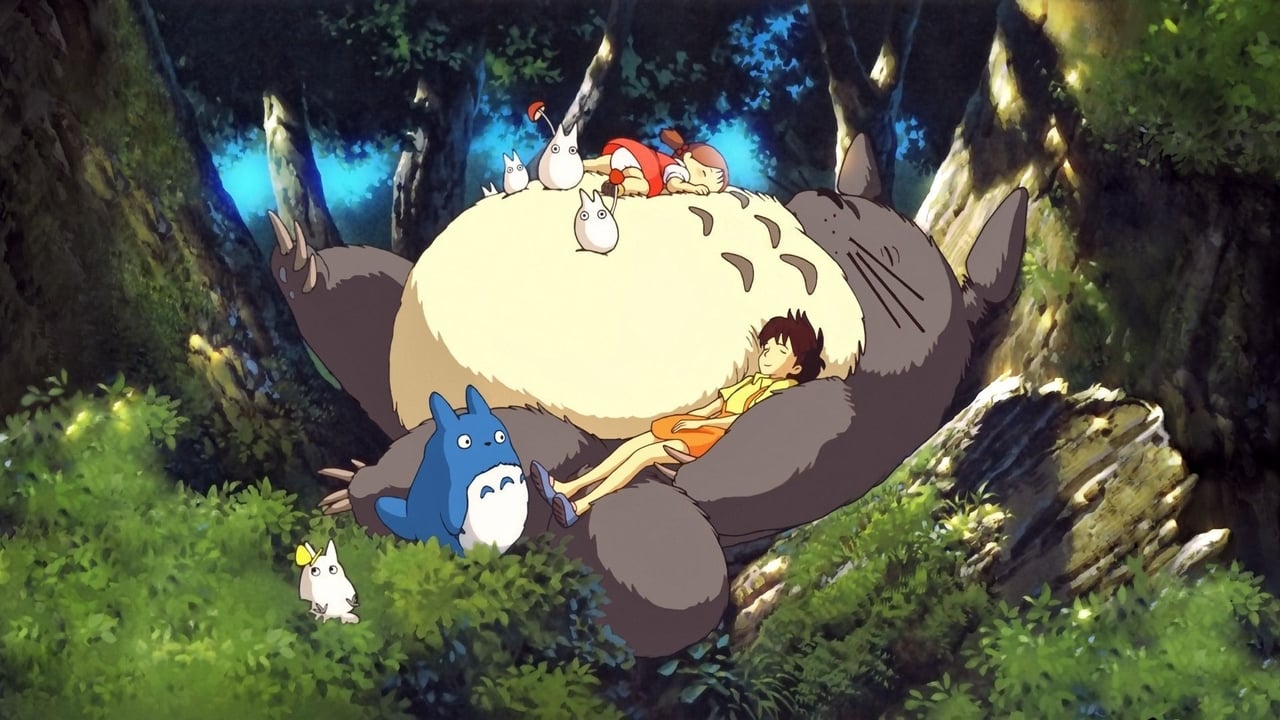
My Neighbor Totoro lays the heavy shadow of a mother’s illness beneath it, yet never drags it into tragedy. Instead it shows the way children endure anxiety. The second-half scene where Mei sets off down the road without a plan to meet her mother tells us this is not merely a warm fairy tale. Totoro and the Catbus are not magic that resolves that anxiety, but closer to beings that stay by a child’s side so she can pass through her fear. In the end, what this work speaks of is comfort. The sense that someone is beside you when the world feels frightening, that simple and fundamental reassurance.
Ratings and reception
The IMDb rating is high at 8.1 out of 10, the Rotten Tomatoes freshness reaches 94 percent, and the Metacritic score is 87 out of 100. It was not a great box-office success upon release, but as the Totoro character became the symbol of Studio Ghibli, the film’s standing rose along with it. It is now widely recognized as a classic of family animation and a model of the gentle slice-of-life film.

Verdict
My Neighbor Totoro is a film all the more precious in an age overflowing with stimulation. There’s no fast pace, no twist, no intense conflict, but after watching, the heart feels a great deal lighter. Recall the skill of completing on screen the kind of friend everyone surely imagined at least once in childhood, and the tenderness held within it, and four stars come naturally.
Recommended for
- Those who want gentle comfort rather than stimulating development
- Those looking for a film to watch in peace alongside a child
- Those who like Hayao Miyazaki’s warm gaze
Comments