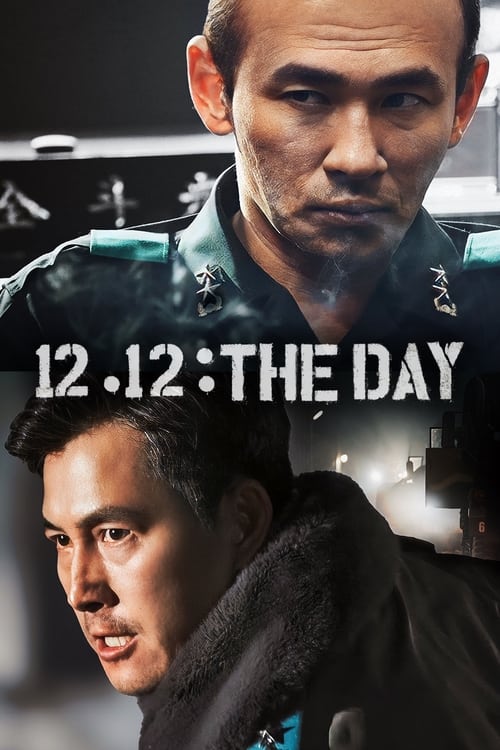
Seoul Spring (2023)
How Democracy Collapses in a Single Night
by 10days1movie · Published 2026-08-15
| Type | Movie |
|---|---|
| Director | Kim Sung-su |
| Cast | Hwang Jung-min, Jung Woo-sung, Lee Sung-min, Park Hae-joon, Kim Sung-kyun |
| Release | 2023 |
| Genre | Drama, Thriller, Action, History |
| Runtime | 141min |
We already know the ending. But the fact that the process feels this tense is the power of Seoul Spring. This film, which follows in real time the December 12, 1979 coup of Jeon Du-gwang (Hwang Jung-min), has transformed a historical tragedy into a political thriller. Rating: ★4.0.
What it’s about — The December 12 coup in a single night
December 1979, in the power vacuum following the assassination of President Park Chung-hee. Jeon Du-gwang (Hwang Jung-min) prepares a coup, seizing key military positions one by one. Standing against him is Capital Defense Commander Lee Tae-shin (Jung Woo-sung) and a small number of soldiers. The film compresses this single night’s events into a confrontation between two axes. The movements of each unit, a single phone call, a single order — the moments that change the course of history are reconstructed in real time. Character names have been partially changed from the historical record.
Direction — Tension coming from a single phone call
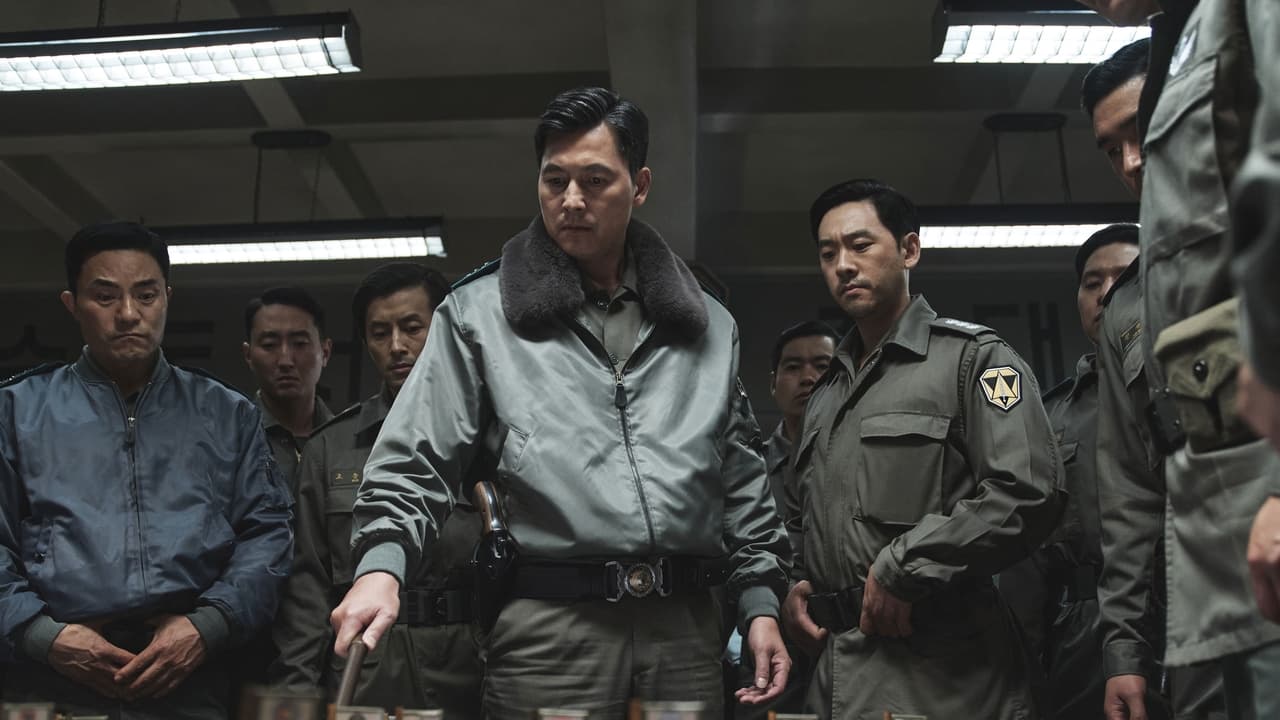
Director Kim Sung-su adopts a real-time structure that creates the sensation of the audience being trapped inside the events of a single night. Small scenes — phone connections within the military, command transmission, conflicts in the operations room — accumulate to create enormous tension. Rather than flashy action, the political maneuvering and processes of persuasion are the focus, and in this film tension comes from a single phone call rather than from gunshots. The moments in which each unit commander decides which side to take, and the process of threats and persuasion used to bring those decisions about, are the film’s central tension elements.
Performance — The confrontation of Hwang Jung-min and Jung Woo-sung
Hwang Jung-min plays the coup leader Jeon Du-gwang with terrifyingly natural ease — charismatic and dangerous at once, which makes it even more disturbing. In the scenes where Jeon Du-gwang convinces and maneuvers his subordinates, Hwang Jung-min vividly shows the character’s political intelligence. Jung Woo-sung quietly conveys the powerlessness of Lee Tae-shin, who tried to stop the coup but failed. The rage and despair Lee Tae-shin feels are expressed without exaggeration, intensifying the film’s tragic quality. The opposing dynamic between the two actors is the film’s emotional center.
What the film says — The moments it could have been stopped
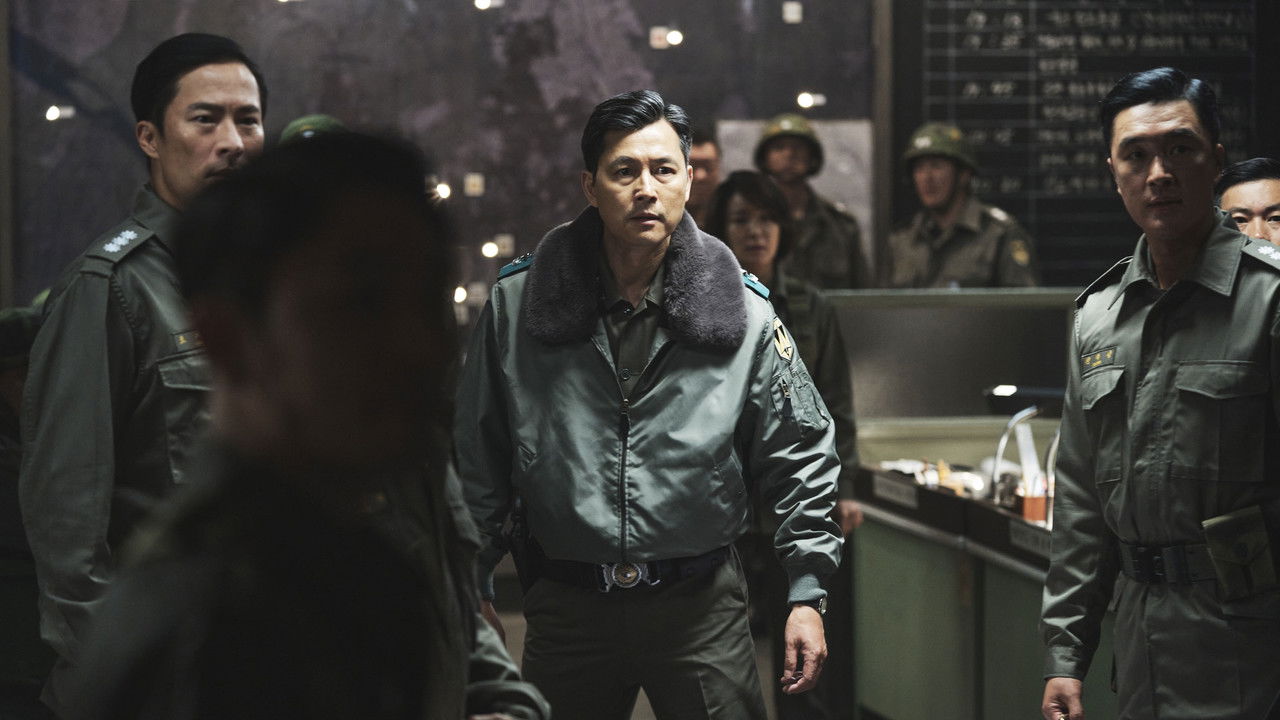
The reason this film hits hardest is that there were clearly moments when it could have been stopped. The conflict between following orders and doing what is right. The conflict between personal safety and a historical choice. These moments of conflict accumulate, and ultimately the coup succeeds. The audience knows the ending and yet finds themselves hoping for a different outcome. That is this film’s power. Furthermore, the way the film shows this event as the result not of a single evil individual but of the accumulation of choices by many ordinary people is the most important message of this film.
Ratings & reception
TMDB score is 7.5. IMDb score is 7.5. Domestically, the film recorded over 10 million viewers upon release, becoming one of the top box office performers of 2023. Both critics and audiences gave it high marks, with Hwang Jung-min’s performance drawing particular attention.
What doesn’t quite work
The film is based on historical fact but the interior lives and motivations of the characters are not fully explored in some cases. The context for why the figures who participated in the coup made those choices is somewhat thin. Some scenes within the 141-minute runtime take a repetitive structure to sustain tension.
Verdict
Seoul Spring gives you an experience where your heart races watching history you already know. It successfully combines political thriller and historical drama, and the performances by the two leads and the pressurized direction create a memorable work. For an audience that knows the history of the Chun Doo-hwan regime that followed the December 12 coup, the film’s ending carries not just the weight of a cinematic failure but the re-enactment of a historical tragedy. Showing why the moments that could have stopped it went unstoppered — that itself is the film’s most important role. Rarely has a Korean film captured a tragedy of modern history with this level of density.
Recommended for
- People with an interest in Korean modern history
- Viewers who enjoy political thrillers
- Those who want to see the acting showdown between Hwang Jung-min and Jung Woo-sung
Comments