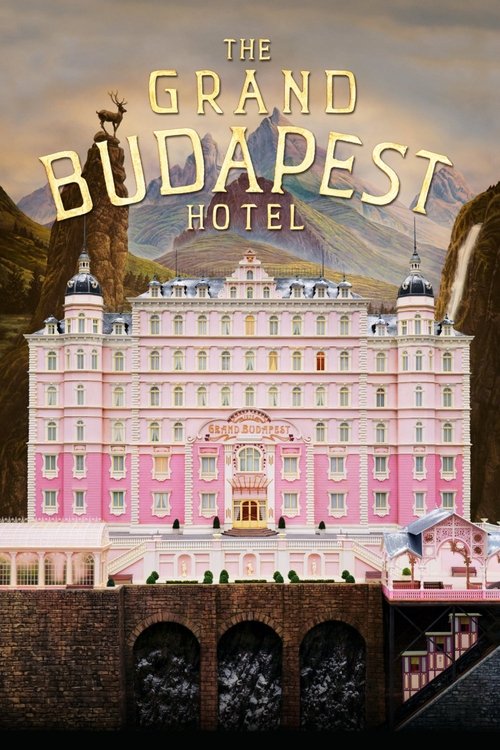
The Grand Budapest Hotel (2014)
An Elegant Eulogy for a Vanished Age
by 10days1movie · Published 2026-10-24
| Type | Movie |
|---|---|
| Director | Wes Anderson |
| Cast | Ralph Fiennes, F. Murray Abraham, Mathieu Amalric, Adrien Brody, Willem Dafoe, Jeff Goldblum |
| Release | 2014 |
| Genre | Comedy, Drama |
| Runtime | 100min |
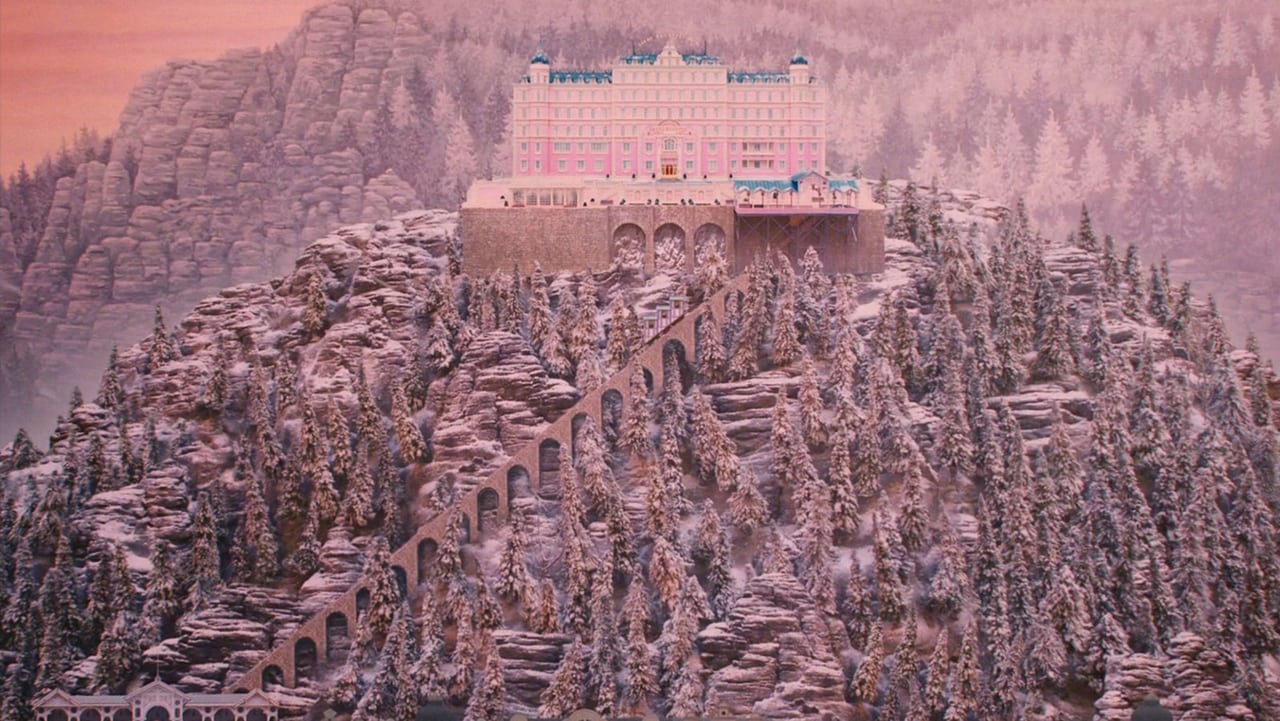
A pink hotel stands atop a snow-covered mountain peak like something out of a fairy tale. The frame is arranged in perfect left-right symmetry, and the characters move as though actors in a puppet show. The Grand Budapest Hotel declares its own singular world from the very first shot. Yet beneath this bright exterior hides a deep mourning for an age that vanished along with the war.
What it’s about — A commotion within a frame, set off by a single painting
The story unfolds as a nested frame, in the form of a writer relaying a tale he heard from the old hotel’s owner. At its center are the legendary concierge Gustave (Ralph Fiennes) and his loyal lobby boy Zero (Tony Revolori), in a fictional European nation during the years between the two world wars. Gustave keeps close company with the hotel’s wealthy elderly regulars, and when one of them dies under mysterious circumstances, she leaves him a priceless painting. The family, hungry for the inheritance, frames Gustave for murder, and the two men set off on an outlandish journey to clear his name.
Direction — A meticulous model world built from symmetry and pastel
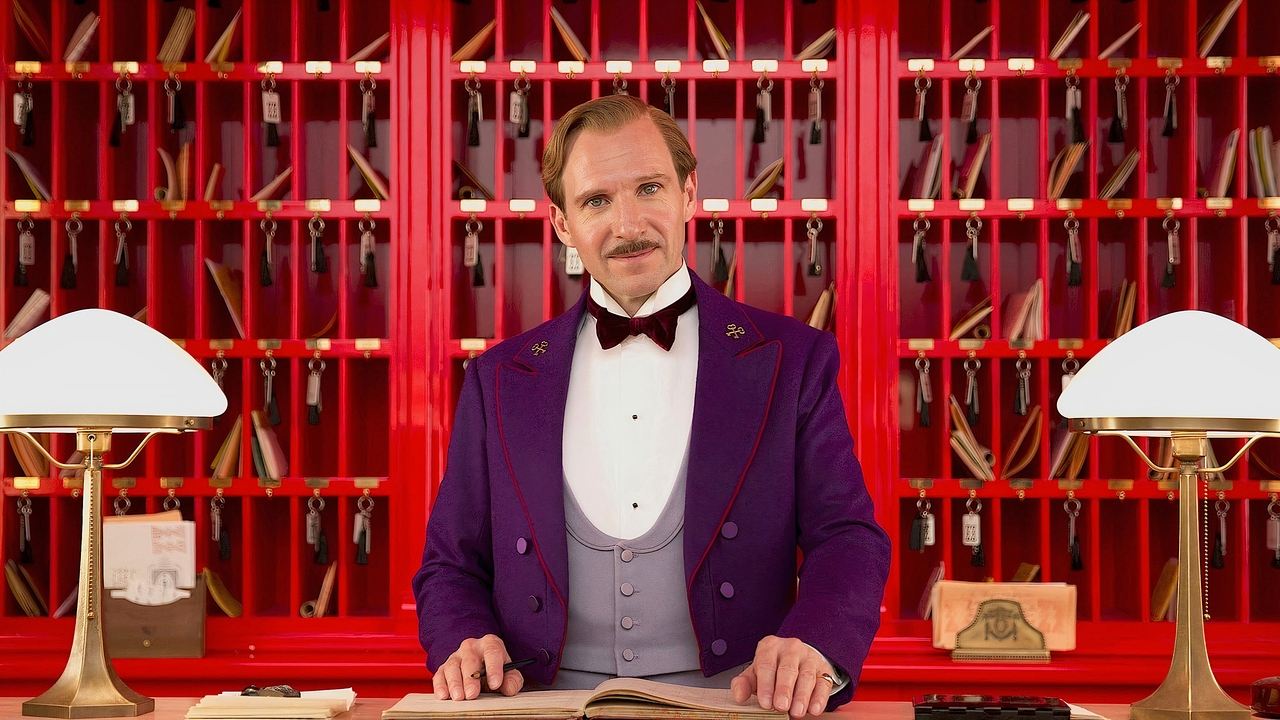
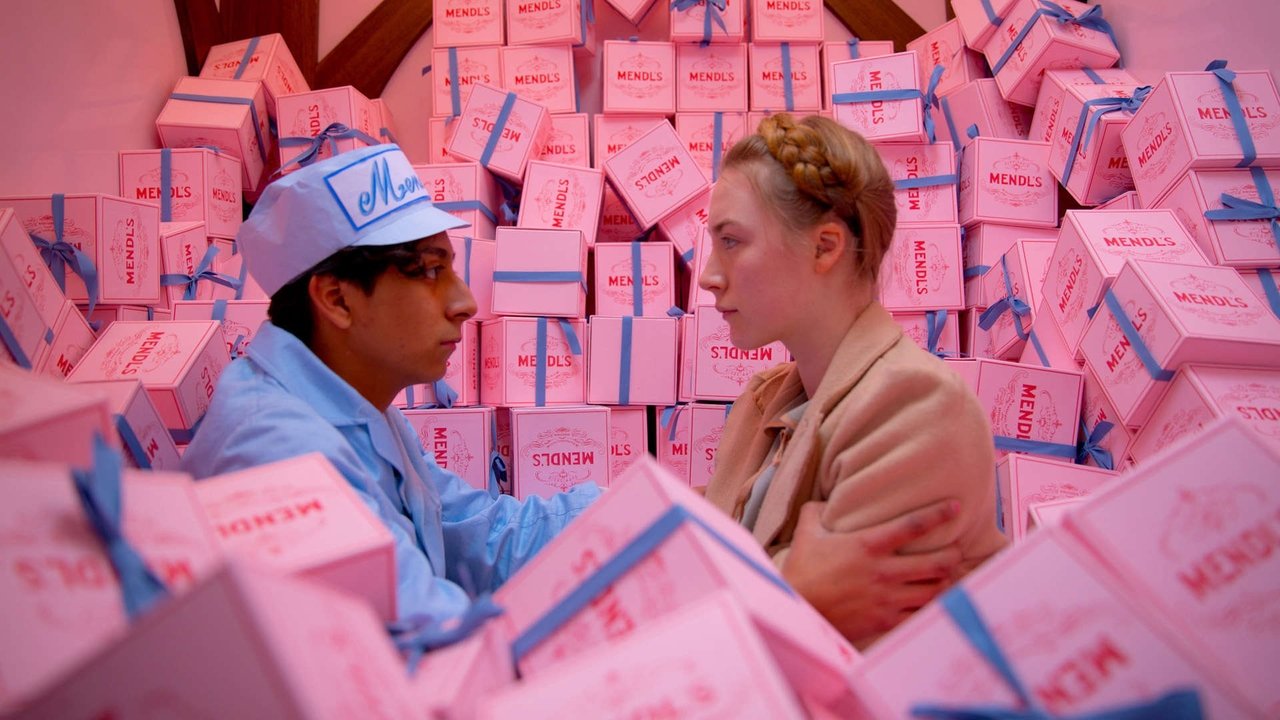
Wes Anderson’s direction is so distinctive you can recognize it at a glance. He fills the frame with precise symmetry, unifies everything under a pastel palette, and moves the camera only at right angles. He even shifts the aspect ratio with the era to visually distinguish the layers of the story. This artificially polished world feels like an intricate model, yet it is exactly that unreality that creates the fairy-tale atmosphere. Even the fast-flowing commotion of chases and prison breaks, passed through his hands, comes out looking like a lovingly crafted piece of artisanship. That said, this strong stylization divides opinion; a world this controlled can feel cold. But as the film moves toward its later stretches, sorrow gradually seeps up from beneath that smooth surface.
Performance — Ralph Fiennes, drifting between dignity and vulgarity
Ralph Fiennes is the heart of this film. He renders Gustave as a vain, chatty, yet oddly dignified figure. He tosses off obscene jokes in an elegant register, then becomes more loyal and brave than anyone in moments of crisis. Seeing a man so familiar from serious roles deliver such buoyant comic acting is a fresh delight. The then-newcomer Tony Revolori plays the innocent lobby boy Zero with great charm, striking a superb rapport with Gustave. Add a glittering roster including Willem Dafoe, Adrien Brody, and Jeff Goldblum, who leave vivid impressions even in brief turns, and the film is richly filled out.
What the film says — A eulogy for the dignity of a vanished age
Peel away the dazzling caper, and this work is a eulogy for a vanished world. What Gustave tried to protect was not the mere formality of a hotel, but the dignity and humanity he refused to let go of even in a barbaric age. As the war sweeps everything away, he strives to the very end to keep his grace. The film calmly acknowledges that such values ultimately perished along with their era, while quietly reminding us of the meaning in remembering them. The frame structure, too, touches this theme. The story reaches us through the recollections of an elderly Zero, then through the writer’s prose. Those who lived it are gone and only the record remains, but through that record the warmth of an age is barely carried forward. This melancholy, flowing beneath the lavish color, lifts the film well beyond simple comedy.
Ratings & reception
This work was showered with critical love. Its IMDb rating is a high 8.1, its Rotten Tomatoes freshness reaches 92 percent, and its Metacritic score is an excellent 88. At the Academy Awards it won four categories: Production Design, Costume Design, Makeup and Hairstyling, and Original Score, earning recognition for its inventive aesthetic. The prevailing view holds it as the most fully ripened result of Wes Anderson’s cinematic world.
Verdict
The Grand Budapest Hotel is a film that is a joy simply to look at. Its strong stylization may keep some viewers at a distance, but the moment you read the sense of loss flowing beneath that bright surface, the work approaches you with an entirely different depth. Awarding four stars to a craft that folds form and feeling together so precisely is no difficult task.
Recommended for
- Viewers who delight in strongly stylized mise-en-scène and color
- Those who love films that make you laugh lightly and then choke up by the end
- Anyone who wants to see a different, comic side of Ralph Fiennes
Comments