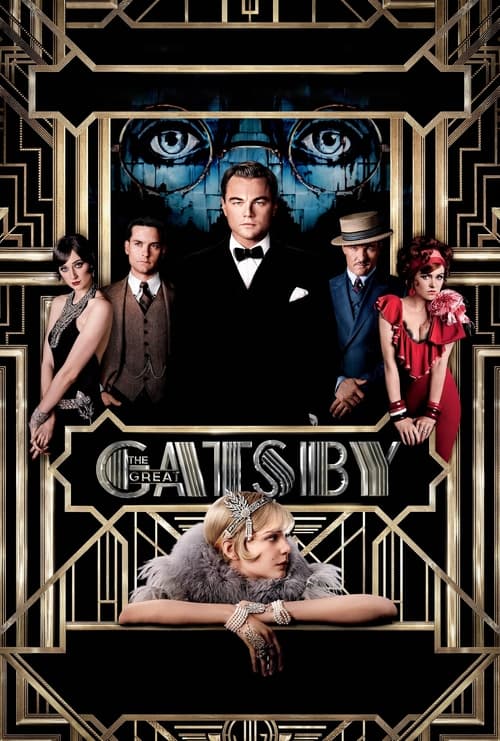
The Great Gatsby (2013)
One Man's Emptiness at the End of All the Glamour
by 10days1movie · Published 2026-10-25
| Type | Movie |
|---|---|
| Director | Baz Luhrmann |
| Cast | Leonardo DiCaprio, Tobey Maguire, Carey Mulligan, Joel Edgerton, Elizabeth Debicki, Isla Fisher |
| Release | 2013 |
| Genre | Drama, Romance |
| Runtime | 143min |
After the parties end, where champagne pours like a fountain and jazz pushes back the night, one man is always left standing alone in the frame. The Great Gatsby drives that contrast from first shot to last. It recreates the excess of 1920s New York with modern music and a dizzying camera, yet the place the story is actually heading is the empty heart all that clamor conceals.
What it’s about — A lavish party for a single person
The narrator, Nick (Tobey Maguire), is a young man who has moved to Long Island to work on Wall Street. Next door lives a mysterious magnate named Gatsby (Leonardo DiCaprio), who throws an enormous party every single night. Nick soon learns that those opulent events are bait for one person alone: his cousin Daisy (Carey Mulligan), who lives across the bay. Daisy is already married to the wealthy Tom (Joel Edgerton). The fortune and renown Gatsby spent a lifetime building came entirely from an obsession with returning to a single moment in the past.

Direction — Making emptiness stand out through a surface of excess
Baz Luhrmann’s direction is bold enough to divide opinion. He scores the 1920s with modern hip-hop and pop, keeps the camera in constant motion, and pushes the color to its extremes. At first this approach, deliberately shattering the gravity of a period piece, may feel scattered. But as the film goes on, it becomes clear that this excess is not mere decoration. The more lavish Gatsby’s parties, the more the emptiness inside them stands out; the more vivid the color, the more sharply the characters’ falsehoods come into focus. The director deliberately collides the giddy surface with the sunken interior so the viewer feels the gap between them. Toward the later stretch the imagery grows steadily calmer, and by the time we reach the green light across the bay, all that noise converges into one man’s solitude.
Performance — DiCaprio’s tremor as he crumbles before a reunion
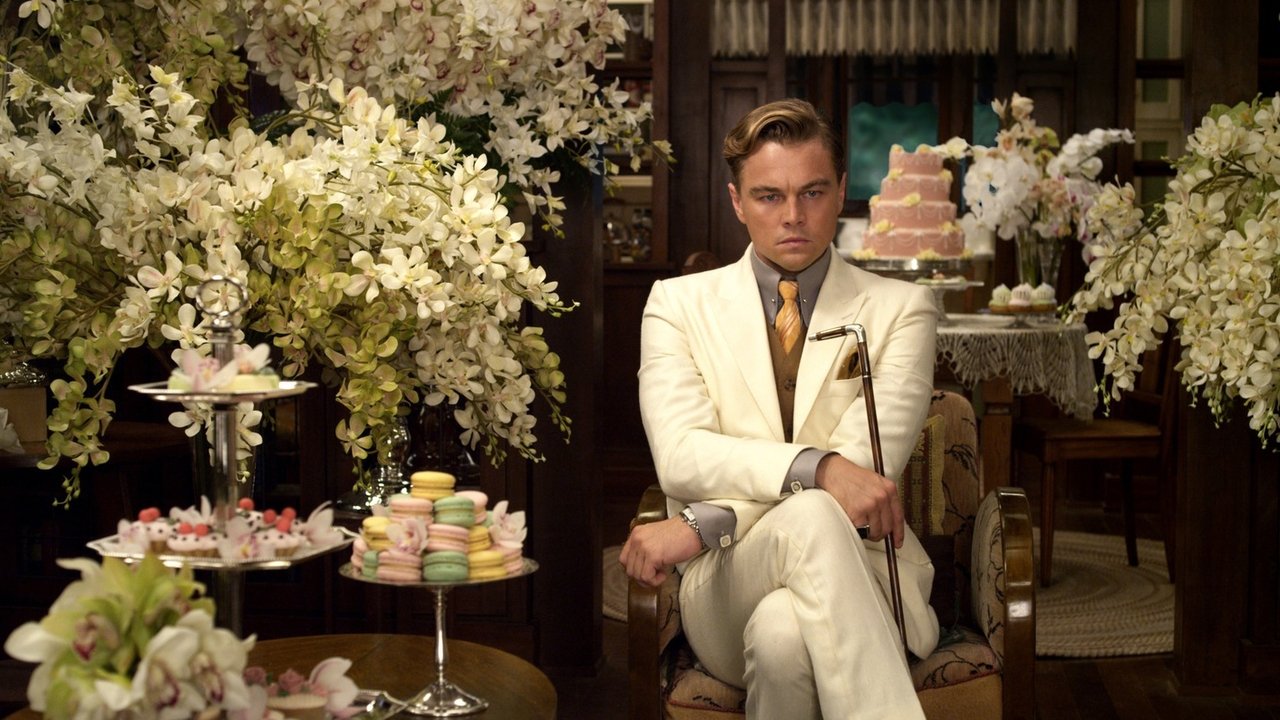
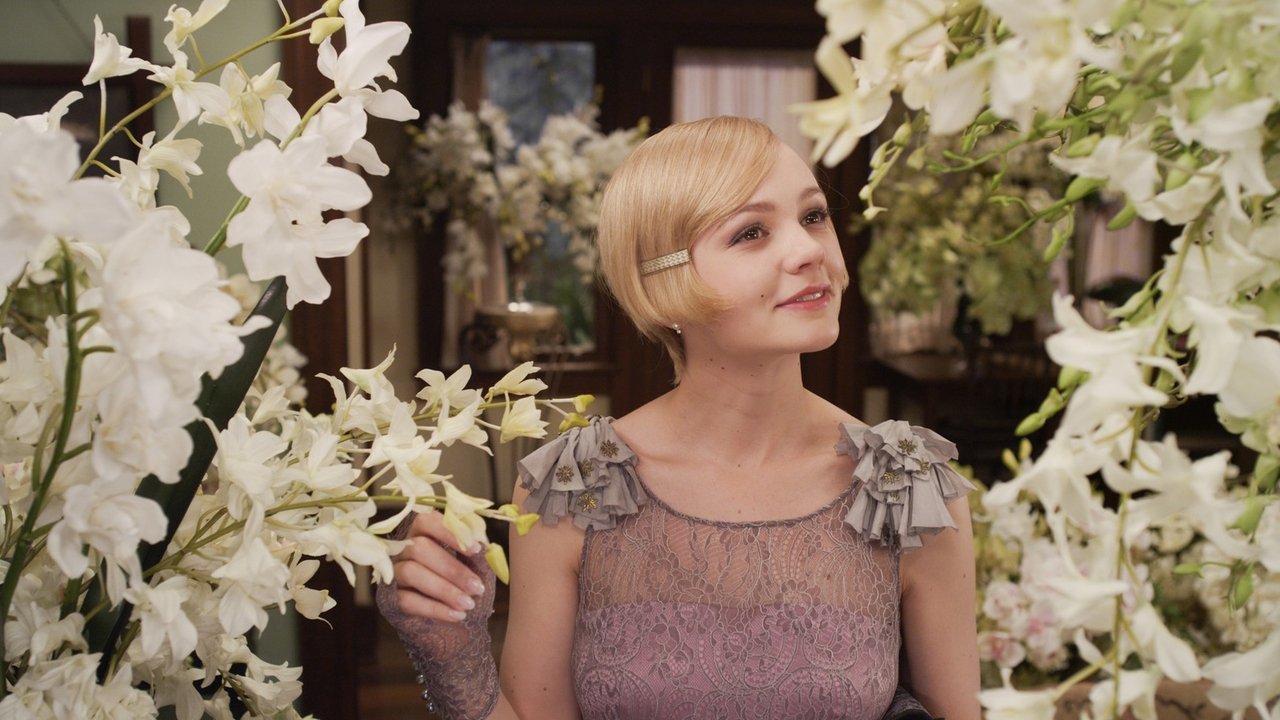
DiCaprio moves precisely between Gatsby’s two faces. The smooth smile of the gracious host beloved by all and the boyish anxiety that crumbles before Daisy alternate naturally within a single actor. The awkward tremor he shows in the scene reuniting with Daisy in particular silently reveals the truth that a man who amassed a fortune over a lifetime is, in the end, just a person who longs to be acknowledged. Carey Mulligan paints Daisy as neither merely frivolous nor merely pitiable. She delicately captures both sides of a woman who is lovable yet ultimately evades responsibility. Joel Edgerton’s Tom fills out arrogance and meanness convincingly, making Gatsby’s pure devotion stand out all the more.
What the film says — A futile hand reaching toward the green light
This work is, in the end, the story of a man who believed the past could be turned back. The scene of Gatsby reaching out toward the green light across the bay remains an image that distills humanity’s yearning for what cannot be touched. He tried to erase his class through wealth and to reverse time, but the high society he so admired treated him, to the very end, only as a guest. Of the hundreds gathered at his lavish parties, almost no one witnessed his end. Through that desolate contrast, the film quietly dissects the illusions of an age where wealth, love, and class were tangled together.
Ratings & reception
This film’s rating splits sharply depending on the viewer. Its IMDb rating is 7.2, and its Rotten Tomatoes freshness is 49 percent, showing critics divided right down the middle. Its Metacritic score also rests at 55. It is the result of praise and harsh criticism clashing over Luhrmann’s signature excess. Still, the assessment of its production and costume design was consistent, and it won the Academy Awards for Production Design and Costume Design. The numbers alone look ordinary, but considered alongside the film’s visual ambition and DiCaprio’s performance, it holds more value than that.
Verdict
The Great Gatsby is not a perfect film. Some scenes are excessively giddy, and some choices scatter the calm of the source novel. But once you pass through that excess, the pure devotion of a man who never quite reached his goal remains clear. The consistency of a direction that confronts you with emptiness at the end of all the glamour is, on its own, enough to award this work four stars.
Recommended for
- Viewers who love period pieces reinterpreted with a modern sensibility
- Those who want to see DiCaprio’s delicate emotional acting
- Anyone seeking a work where lavish production and costume design stand out
Comments