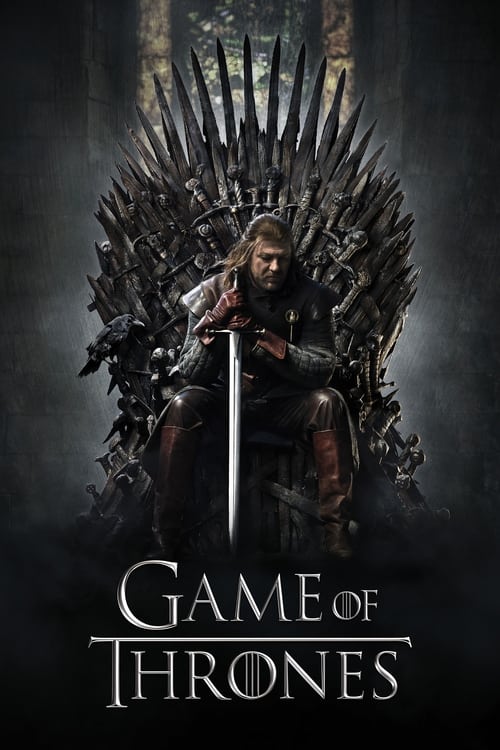
Game of Thrones Season 6 (2016)
The Series' Independent Prime Surpassing the Source
by 10days1movie · Published 2026-08-02
| Type | Series |
|---|---|
| Director | David Benioff, D.B. Weiss |
| Cast | Peter Dinklage, Kit Harington, Emilia Clarke |
| Release | 2016 |
| Genre | Science Fiction, Drama, Action |
| Runtime | 58min |
Game of Thrones Season 6 is the first season in which the series completely outpaced the source novels. Even fans of the original were watching without knowing the outcome, and precisely because of that, Season 6 had to build its own narrative purely as a TV drama. The result was a success. My rating is ★4.0. A season that contains two of the all-time best episodes: “Battle of the Bastards” and “The Winds of Winter.”
What it’s about — the first season to outpace the source
Game of Thrones is HBO’s flagship fantasy drama. Season 6 began airing on 24 April 2016 and consists of 10 episodes. This season runs parallel narratives of Jon Snow’s resurrection, the Stark family’s reunification, Daenerys’s preparations to return, and Cersei’s response — converging toward the final showdown.
Direction — the most painstaking battle, the Battle of the Bastards
Episode 9 “Battle of the Bastards” is recorded as the most expensive and painstaking battle scene in drama history. The battle in which Jon Snow and Ramsay Bolton’s armies clash took 25 days of filming, around 600 extras, and meticulous camera placement to complete. The scene in particular where the protagonist is increasingly pressed by horses and corpse piles received exceptional praise as a direction that visually realises a sense of panic. Episode 10 “The Winds of Winter” shows film-level quality for the episode as a whole through the King’s Landing scenes alone.
Performance & characters — the resurrected Jon and the hated Ramsay
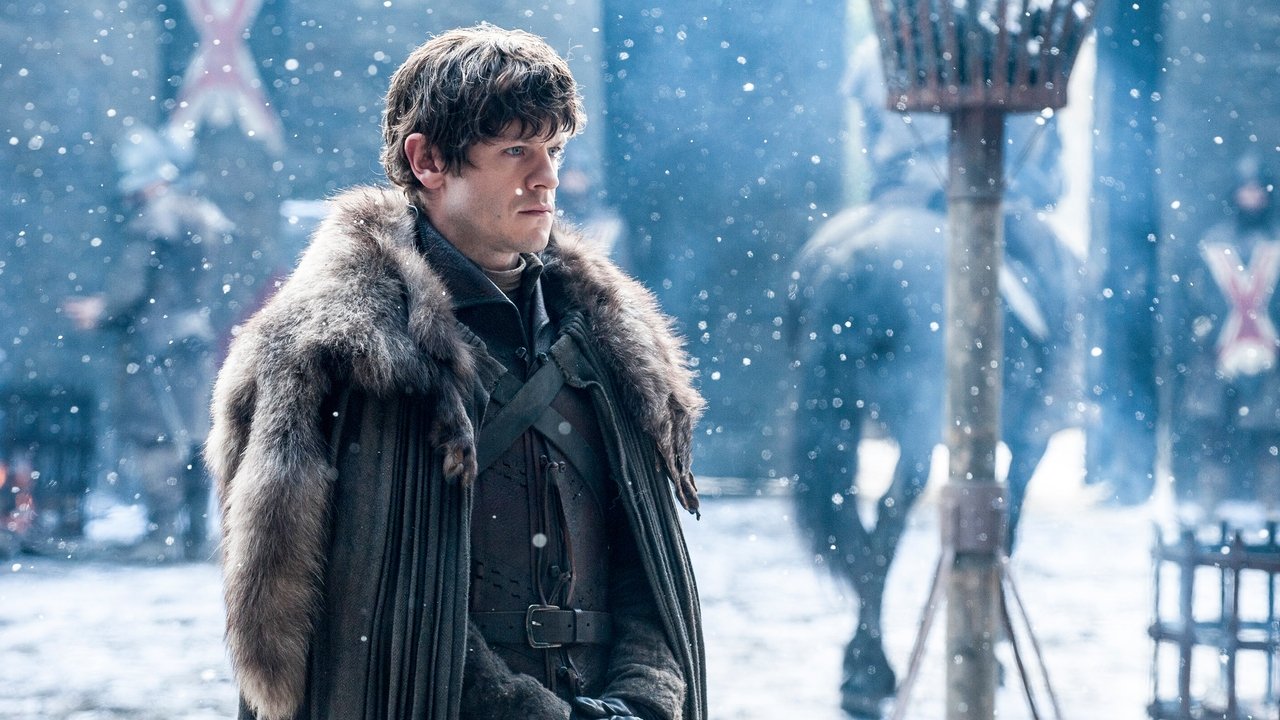
Kit Harington showed far deeper expression in playing Jon Snow’s resurrection and its aftermath than in previous seasons. Lena Headey’s Cersei creates the single most spine-chilling moment in the entire series in this season. Iwan Rheon, playing Ramsay Bolton, completed the most hated villain in the series’ history. Emilia Clarke’s Daenerys shows a growth arc throughout the season, completing her preparations for departure in the finale.
What the work says — long-awaited revenge and emotional payoff
Season 6 is the season that gives characters who have long suffered revenge and recovery. The return of House Stark is the emotional payoff viewers had been waiting for since Season 1, and Cersei’s actions in King’s Landing show the self-destructive nature of power in its most extreme form. Moving forward without source material meant choosing faster pace and intense emotional resolution over the taut narrative logic of previous seasons — and that was this season’s strategy.
Ratings & reception
IMDb series score: 9. Episode 9 “Battle of the Bastards” won the Emmy Award for Outstanding Directing for a Drama Series at the episode level and at the time set a record for the highest single-episode IMDb rating. By Emmy wins, this is the most decorated single season on record.
Weaknesses
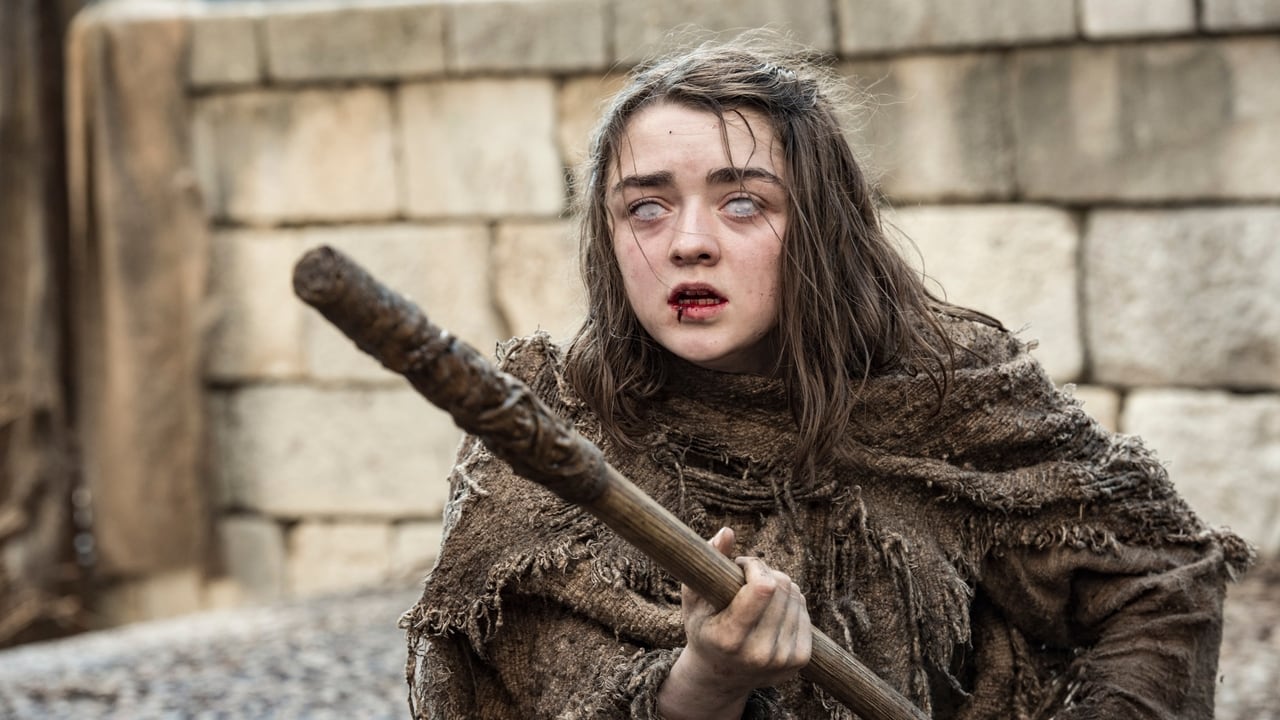
Being the first season to move forward without source material, some narrative logic is weaker than previous seasons — particularly the convenient timing of cavalry arrivals. Arya’s Braavos arc feels somewhat slow in this season and lacks connection to the main narrative. There are also criticisms pointing to unrealistic speed of characters’ travel across the map.
Verdict
Game of Thrones Season 6 marks this series’ second peak. If Season 1 was the shock of discovery, Season 6 is the season of emotional payoff. My rating is ★4.0. A season worth watching for “Battle of the Bastards” alone in the entire series.
The New Standard Season 6 Created
Season 6 is significant in that it created an even more intense emotional experience by forging its own narrative without the source novels. The “Hold the Door” episode does more than simply retire a character. The way the origin of the name Hodor and that moment are connected is one of the most original narrative devices in the entire series. In the episode “Blood of My Blood,” the reunion of Sansa and Jon provides strong emotional payoff for viewers who have been watching since Season 1. The scene of Emilia Clarke’s Daenerys bringing the Dothraki tribe to heel, and the finale scene of the fleet sailing westward, were a visual declaration that the series was entering its final phase.
Recommended for
- Fans who have been waiting through the series’ accumulated injustice and pain
- Those who are moved by large-scale battle direction
- Those who want to see one of the finest episodes in drama history firsthand
Comments