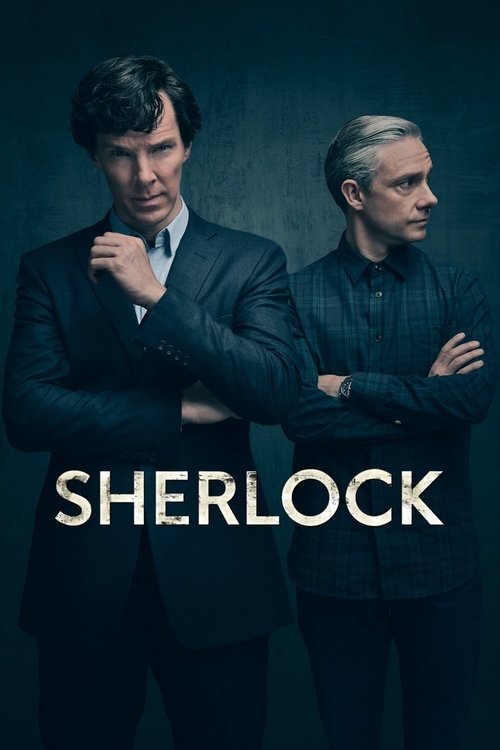
Sherlock Season 2 (2012)
A Page of TV History Made by the Battle with Moriarty
by 10days1movie · Published 2026-08-04
| Type | Series |
|---|---|
| Director | Paul McGuigan |
| Cast | Benedict Cumberbatch, Martin Freeman, Andrew Scott |
| Release | 2012 |
| Genre | Crime, Drama, Mystery |
| Runtime | 90min |
BBC drama Sherlock Season 2 is the season that turned this series into a worldwide phenomenon. Only three episodes, but each running 90 minutes — a feature film’s length — making it essentially the experience of watching three mini-films. The final episode, “The Reichenbach Fall,” was one of the most talked-about drama episode endings of 2012. Rating: ★4.0. It is in this season that the attempt to bring Sherlock Holmes into the modern era reaches its most perfect realization.
What it’s about — From Adler to Reichenbach
BBC Sherlock is a drama that transplants Arthur Conan Doyle’s Sherlock Holmes into contemporary London. Season 2 began airing on January 1, 2012 and consists of three episodes: “A Scandal in Belgravia” (modern Irene Adler), “The Hounds of Baskerville” (the Baskerville hound), and “The Reichenbach Fall” (the final showdown with Moriarty).
Direction — Three episodes, three approaches
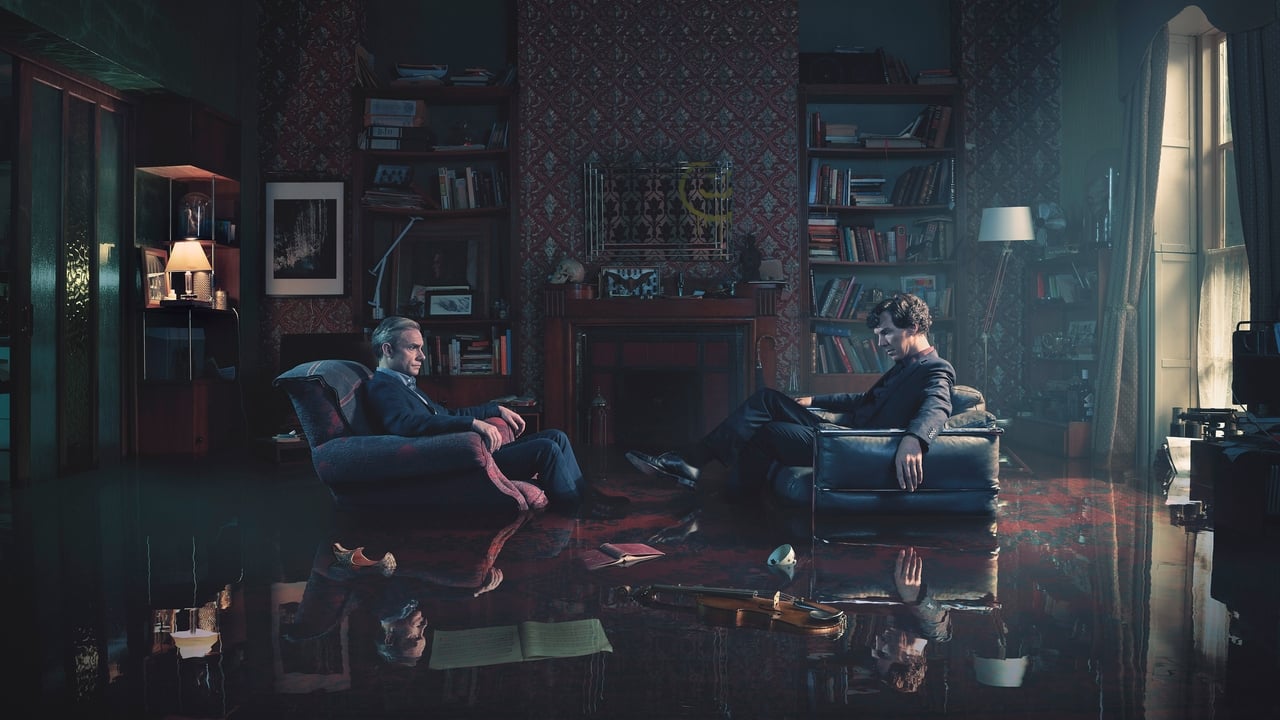
The three episodes of Season 2 each take different directorial approaches. Episode 1, “A Scandal in Belgravia,” has impressive visual direction creating Irene Adler’s presence through color and costume. Episode 2, “The Hounds of Baskerville,” borrows the grammar of horror and sci-fi genres to construct tension. Episode 3, “The Reichenbach Fall,” unfolds in a way that combines detective drama and thriller, with the tightest narrative construction of the three. The logic of Moriarty’s plan to destroy Sherlock’s reputation builds carefully throughout the episode before exploding all at once in the finale.
Performance & characters — Andrew Scott’s Moriarty
Benedict Cumberbatch reveals Sherlock’s human vulnerability for the first time in this season. The scene in Episode 1 where he is unsettled by Irene Adler, and the rooftop confrontation with Moriarty in Episode 3, show a Sherlock who doesn’t suppress emotion but expresses it. Andrew Scott’s Moriarty — a combination of madness, intellect, and playfulness — is one of the most memorable villains in the history of British drama.
What the work says — The fragility of reputation and identity
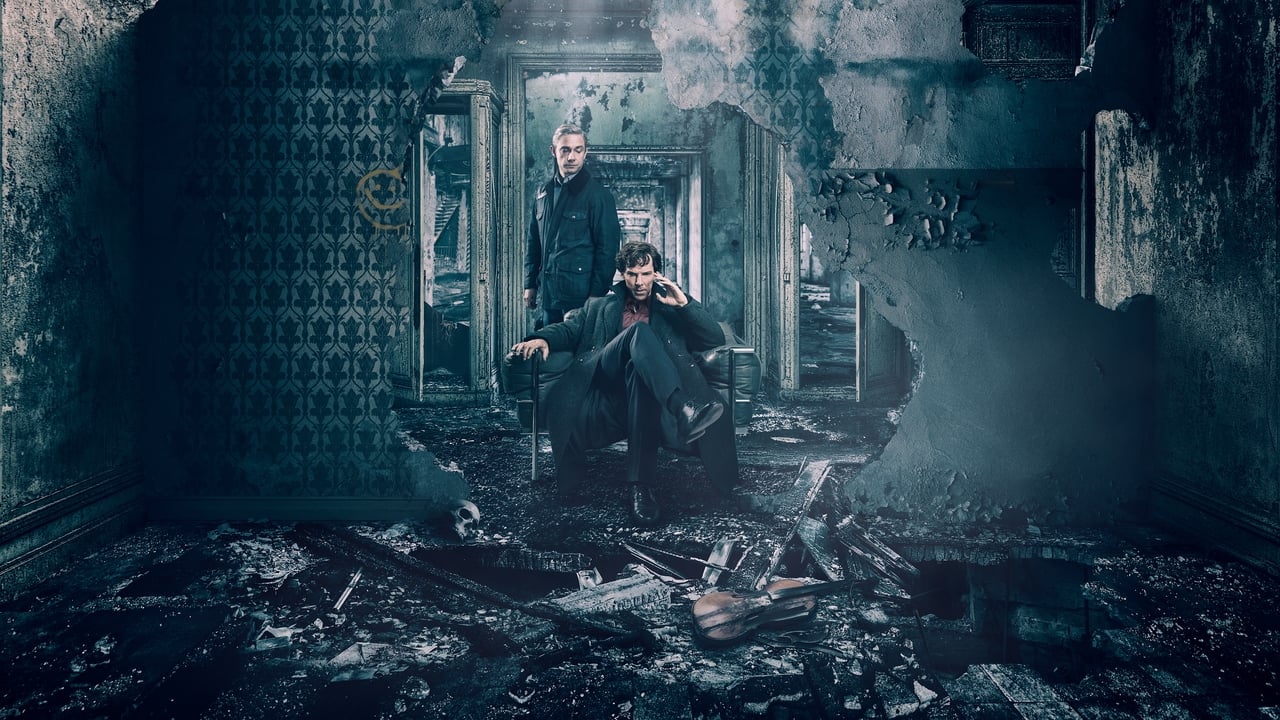
The central theme of Sherlock Season 2 is the fragility of reputation and identity. In Episode 3, Moriarty attacks Sherlock using the very elements that created the Sherlock myth — fame and honor as a detective. The show demonstrates that a brilliant ability operates on the premise of social trust, and shows how that trust can be dismantled. Simultaneously, what the relationship between Watson and Sherlock means is stated clearly for the first time in this season.
Ratings & reception
TMDB score for the Sherlock series is 8.5, IMDb score is 9.0. Season 2’s Episode 3, “The Reichenbach Fall,” was nominated for the Emmy Award for Outstanding Miniseries. The show created enormous impact in both Britain and Korea upon broadcast, and the two-year gap before Season 3 produced an explosion of fan theories and analysis that stands as a cultural case study.
What doesn’t quite work
The three-episode structure has its limitations. Episode 2, “The Hounds of Baskerville,” is widely considered the relatively weaker episode within the season. There is also criticism that the handling of Irene Adler’s resolution somewhat diminishes the independence of the source character. Some viewers found Episode 1 moved too quickly and was difficult to follow logically.
Verdict
Sherlock Season 2 is the season that demonstrated the standard of modern British drama. “The Reichenbach Fall” as a finale is an episode that elevated audience reactions to the level of a cultural phenomenon. Rating: ★4.0. Whether you love Sherlock Holmes or are encountering British drama for the first time, this is a season you must watch alongside Season 1.
Recommended for
- People who love the original Sherlock Holmes stories
- Those who enjoy the distinctive British pace and polished direction
- Viewers who want to experience the performance of villain Moriarty directly
Comments