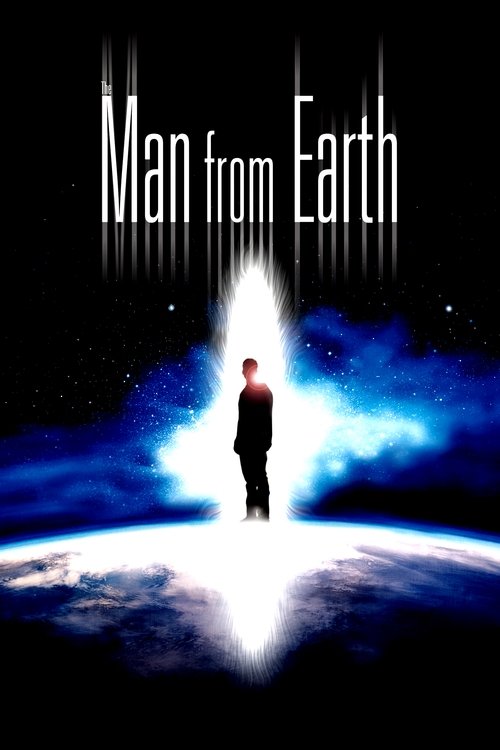
The Man from Earth (2007)
A Film That Travels 14,000 Years with a Single Living Room
by 10days1movie · Published 2026-10-31
| Type | Movie |
|---|---|
| Director | Richard Schenkman |
| Cast | David Lee Smith, Tony Todd, John Billingsley, Ellen Crawford |
| Release | 2007 |
| Genre | Science Fiction, Drama |
| Runtime | 87min |
Could you unfold 14,000 years of time with nothing but a living room and conversation, without a single shot of special effects? The Man from Earth pulls off exactly that seemingly impossible feat. Based on the final screenplay left by the legendary science-fiction writer Jerome Bixby before his death, the film spreads out one man’s hard-to-believe confession and the intellectual sparring around it across the full 87 minutes. The screen is spare, but the amplitude of thought exchanged within it is wider than any blockbuster.
What it’s about — A 14,000-year confession verified in a living room
University professor John Oldman (David Lee Smith) abruptly decides to leave his job and invites his colleagues over for a farewell gathering. As he packs, he cautiously brings up a single story to his friends: that he is a person who has lived without dying since the Paleolithic era, a being who has endured 14,000 years. His colleagues, a historian, a biologist, an archaeologist, and a psychologist, take it as a joke at first, but they gradually begin to waver before his logical answers. Without ever leaving the living room, the film builds tension solely through the debate of people who verify his claim, refute it, and become enchanted by it once again.
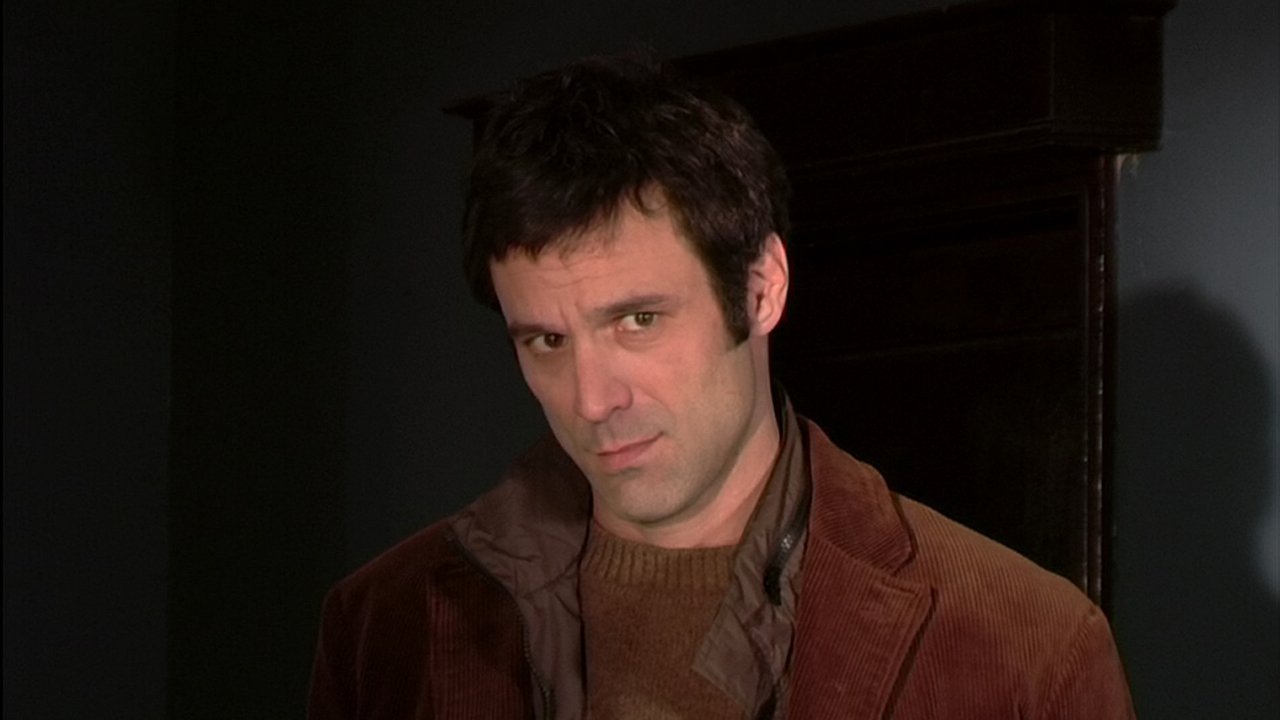
Direction — Building density with one space and conversation alone
Richard Schenkman’s direction succeeds in turning a constrained condition into a strength rather than a weakness. Almost every scene takes place inside one house, yet there is no sense of confinement, because the camera delicately captures the characters’ expressions and reactions and lends rhythm to the flow of the conversation. Following the subtle shifts of who believes and who doubts is enough, on its own, to generate ample tension.
The film’s real power lies in the screenplay. John’s claims roam across history and religion, biology and anthropology, digging into ever-deeper territory. In particular, the moment he links his own past to an episode in the history of human civilization, the debate expands beyond a simple dispute over truth into fundamental questions about human existence and belief. A construction that draws this much immersion from conversation alone, with no particular incident or twist, proves how firm the density of the script is.
Performance — A calm that never settles the question of truth
In a film where conversation is everything, the acting is the life of the work. David Lee Smith plays the protagonist John calmly, without exaggeration. The unshaken composure with which he confides an enormous secret is itself what creates the plausibility. The subtle performance that makes it impossible to conclude, to the end, whether he is lying or telling the truth sustains the whole film. The actors playing his colleagues clearly show reactions suited to each one’s discipline and temperament. The emotional line of the character who wavers violently between faith and science in particular heightens the tension of the later stretch. Though the form is close to a stage play, the actors’ rapport meshes so well that it never feels artificial.

What the film says — On what grounds do we believe a truth
The Man from Earth asks on what grounds we judge a truth. John’s claim can be neither proven nor disproven, yet his colleagues accept or reject it according to their own knowledge and conviction. Through that process, the film reflects how much humans understand the world only within the frame of what they already know. The premise that one person has lived for thousands of years also circles back to the question of how we ought to live the brief lives we have. That open attitude, refusing to force an answer, keeps the mind held long after the film ends.
Ratings & reception
By OMDb, the IMDb rating is 7.8 out of 10, an exceptionally high figure for a low-budget independent film. Its Rotten Tomatoes freshness recorded 100 percent. It was almost unknown upon release but rode word of mouth to cult popularity, a point often recounted. The core of the praise is the assessment that it reached the essence of science fiction with screenplay and performance alone, without flashy spectacle, and it remains a steadily recommended work among fans of idea-driven sci-fi.
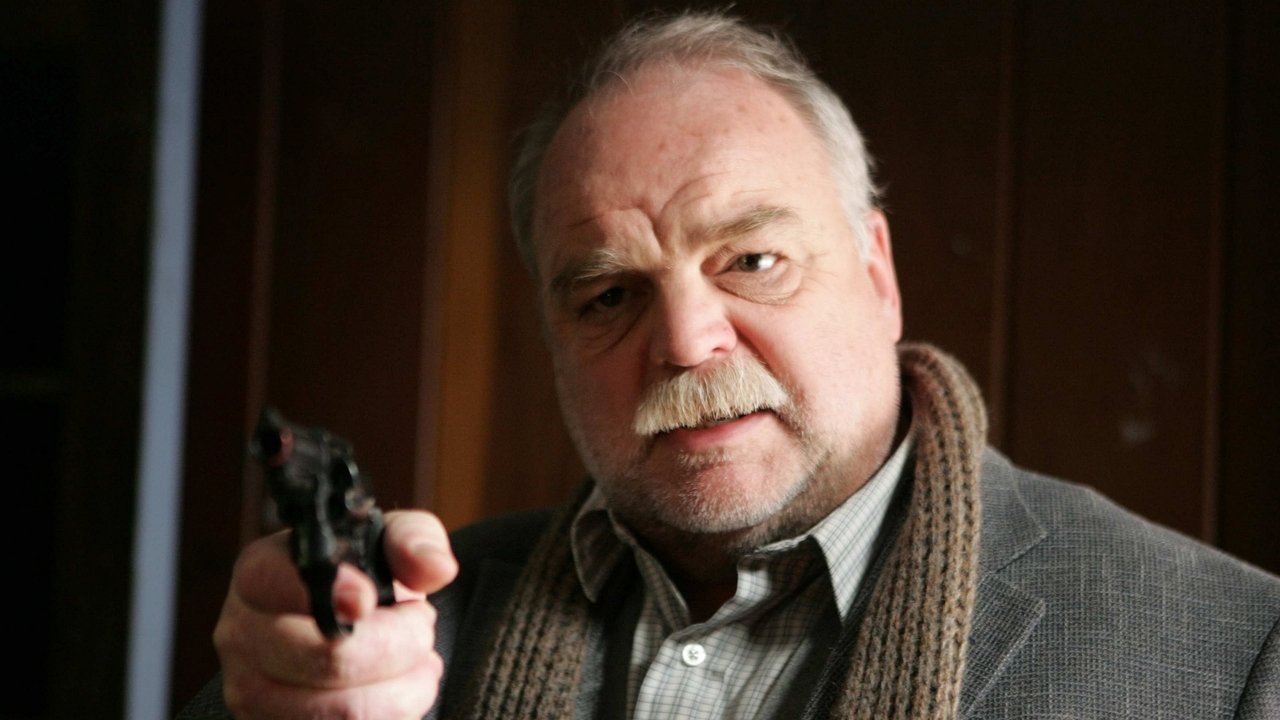
Verdict
The Man from Earth is a work that proves a film does not necessarily require a vast budget. With one living room, a well-written script, and sincere acting alone, it can carry the audience into 14,000 years of contemplation. If you expect visual stimulation it may feel unfamiliar, but for those who know the pleasure of thinking, it is endlessly appealing. It is a small but deep film, fully worthy of four stars on the strength of its ideas alone.
Recommended for
- Viewers who love idea- and conversation-driven sci-fi over flashy spectacle
- Those who find interest in historical, religious, and philosophical debate
- Anyone who wants to witness the power of a single well-written screenplay
Comments