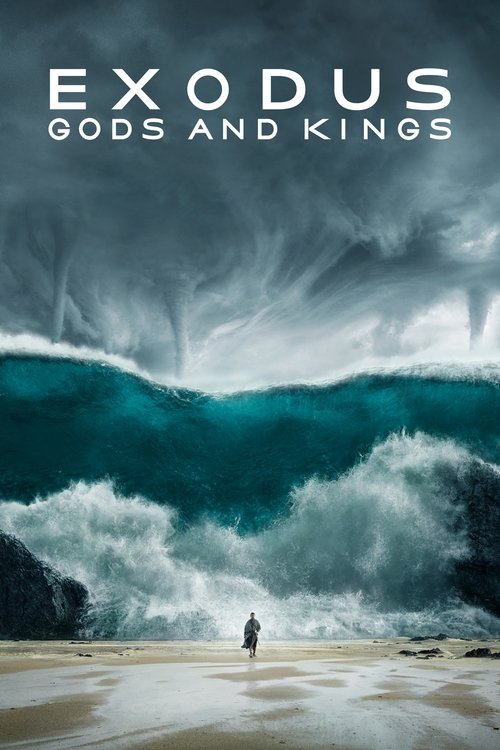
Exodus: Gods and Kings (2014)
How Ridley Scott Brought Moses to the Screen
by 10days1movie · Published 2026-08-13
| Type | Movie |
|---|---|
| Director | Ridley Scott |
| Cast | Christian Bale, Joel Edgerton, Ben Kingsley, John Turturro, Aaron Paul |
| Release | 2014 |
| Genre | Adventure, Drama, Action |
| Runtime | 150min |
Ridley Scott reinterpreted the biblical Exodus as a modern blockbuster, placing weight on human narrative over miracles. After Gladiator and Black Hawk Down, Scott once again delivers a historical spectacle — this time challenging the boundary between myth and reality. Exodus: Gods and Kings has enough to see on the spectacle level, but the ambition to hold something more than spectacle is the film’s intent. My rating is ★4.0.
What it’s about — Moses leading his own people
Moses (Christian Bale), raised in the Egyptian royal court as a brother to Pharaoh, learns he is of the enslaved Hebrew bloodline and faces a fateful crossroads. He parts from Ramesses (Joel Edgerton), who has ascended to the throne, receives divine revelation, and leads his people out of Egypt. Ridley Scott takes the approach of explaining the Ten Plagues as natural phenomena wherever possible.
Direction — a naturalistic depiction of the Ten Plagues
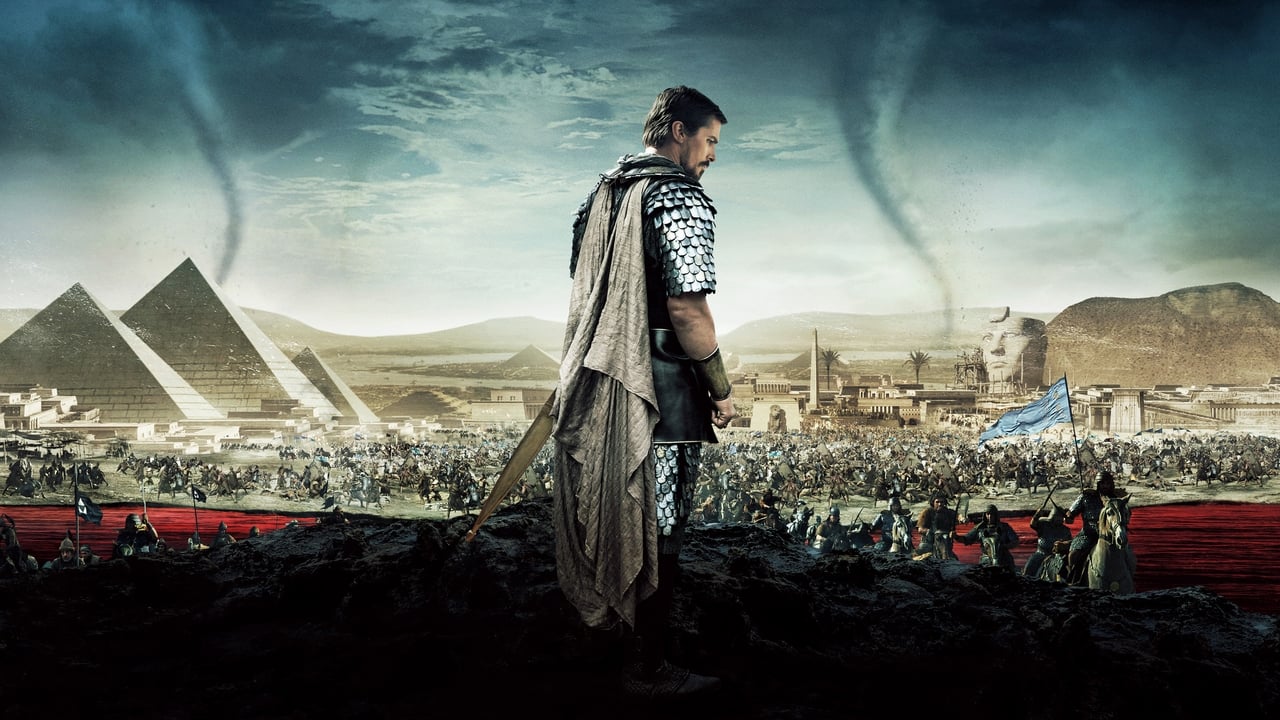
Ridley Scott’s visual sense shines in this film as well. The level of visual polish in the grand sequences set against the backdrop of towering Egyptian architecture — particularly the crowd scenes and the plague sequences — is high. The attempt to explain the Ten Plagues as a chain of natural phenomena is theologically contested but cinematically interesting. The setup in which the first plague — the Nile turning to blood — begins with an attack by crocodiles shows Scott’s characteristically realistic approach. The climactic crossing of the Red Sea is a screen-worthy set piece, with the combination of computer graphics and practical filming holding up persuasively.
Performance — Moses and Ramesses turning into enemies
Christian Bale powerfully conveys Moses’s inner journey from certainty through chaos to the carrying out of his mission. Joel Edgerton’s Ramesses is a far more complex figure than a simple villain. The process by which the relationship of two men raised together since childhood curdles into enmity forms the emotional core of the film. Edgerton makes it convincing that Ramesses’s refusal to yield even as he loses his people is not mere arrogance but a mixture of fear and pride.
What the film says — faith that carries out a mission without certainty
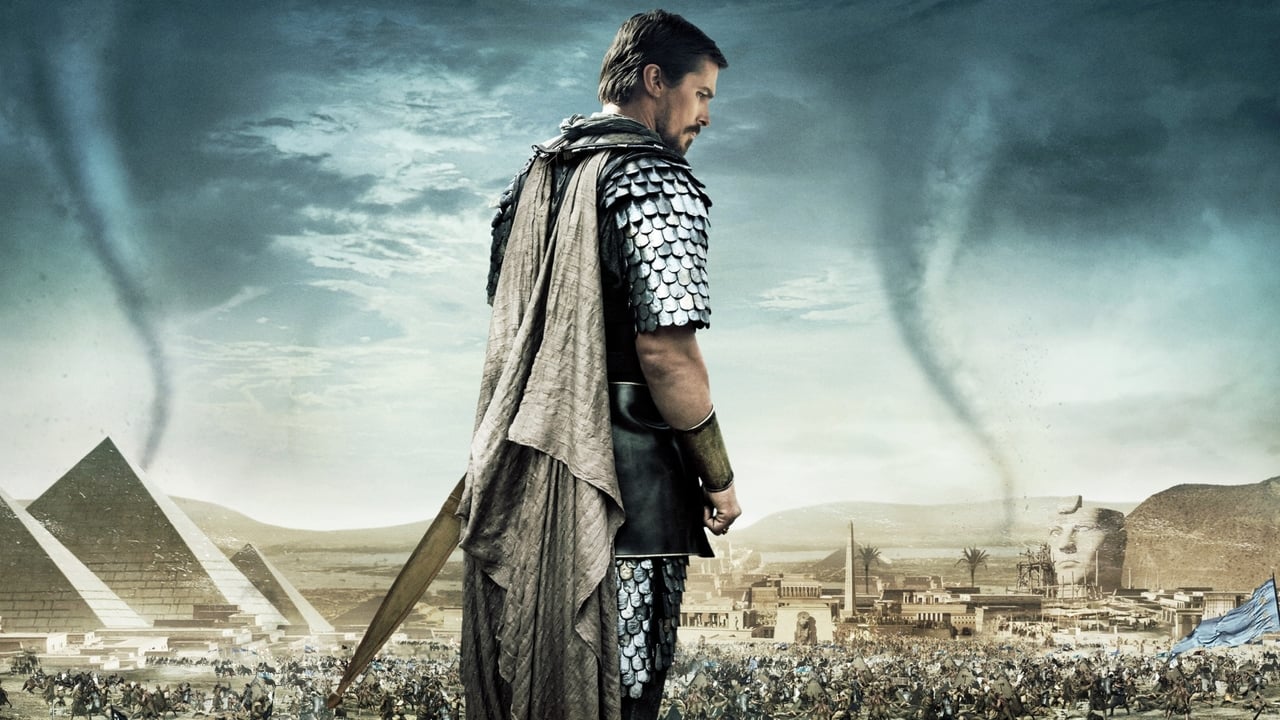
How one comes to believe in a god, and how that belief shapes human action — this is the film’s question. Moses carries out his mission without complete certainty. The film does not take a firm position between the rational explanation of miracles and faith. This ambiguity is both unsatisfying and the very thing that distinguishes this film from a simple biblical re-enactment.
Ratings & reception
TMDB score: 5.9 — not high. IMDb score: 6.0. Rotten Tomatoes freshness: 29% — on the low side. Upon release there was controversy over the casting (white actors in non-white roles) and critics largely credited the spectacle while faulting the narrative. The visual achievement and both leads’ performances are evaluated separately, however.
Weaknesses
As the critical response reflects, the narrative density is weak — that must be acknowledged. In a 150-minute runtime, there are stretches where the characters’ inner lives are insufficiently filled. Historical accuracy issues and casting controversy persist. The approach of explaining miracles as natural phenomena may be off-putting to viewers with religious faith.
Verdict
Exodus: Gods and Kings is not a perfect film, but the pleasure of watching Ridley Scott handle a large-scale narrative and the two leads’ performances is real. Its value as spectacle is sufficient, and it is a work carrying an ambition that goes beyond a simple biblical film. The inner turmoil of a Moses who wavers between faith and doubt exists in the biblical source, but Scott reframes it as a modern psychological drama. The early friendship between Ramesses and Moses and the process of that friendship turning into enmity is the most impressive emotional throughline in this film. A spectacle with its own merits despite the critical reception.
Recommended for
- Fans of Ridley Scott’s historical blockbusters
- Those who want a large-scale ancient historical epic in the vein of Gladiator
- Those interested in Christian Bale’s serious performances
Comments