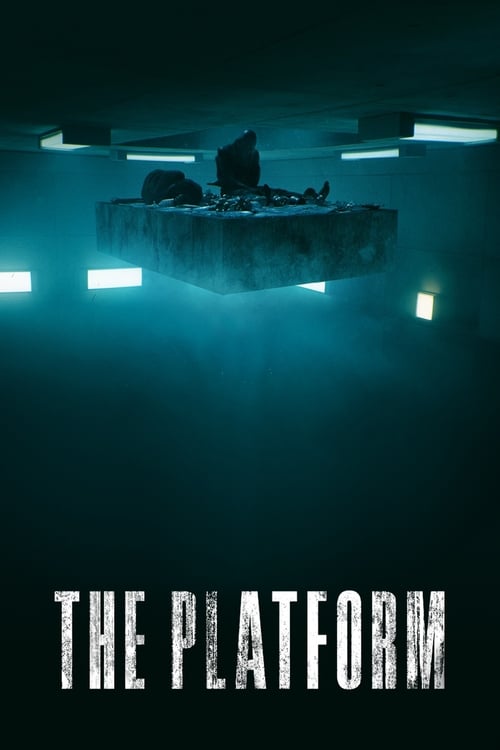
The Platform (2020)
A Spanish Prison That Exposes the Face of Capitalism
by 10days1movie · Published 2026-08-23
| Type | Movie |
|---|---|
| Director | Galder Gaztelu-Urrutia |
| Cast | Iván Massagué, Antonia San Juan, Zorion Eguileor |
| Release | 2020 |
| Genre | Drama, Sci-Fi, Thriller |
| Runtime | 95min |
The structure is simple. A vertical prison with hundreds of floors; a food platform that descends from top to bottom once a day. Whatever the upper floors leave behind goes to the floors below. Which floor you are assigned to is a matter of luck. With just this one premise, this Spanish film creates the most direct, most uncomfortable allegory about social class and the mechanics of capitalism imaginable. Rating: ★4.0.
What it’s about — A food prison that descends from top to bottom
Goreng (Iván Massagué) voluntarily enters a vertical prison known as “the Pit.” Assigned to floor 48, he is paired with an old man named Trimagasi. Under a system that shuffles inmates to a different floor each month as they sleep, Goreng descends to levels two hundred floors below, learning firsthand how this structure operates.
Direction — Pressure shown through situation, not explanation
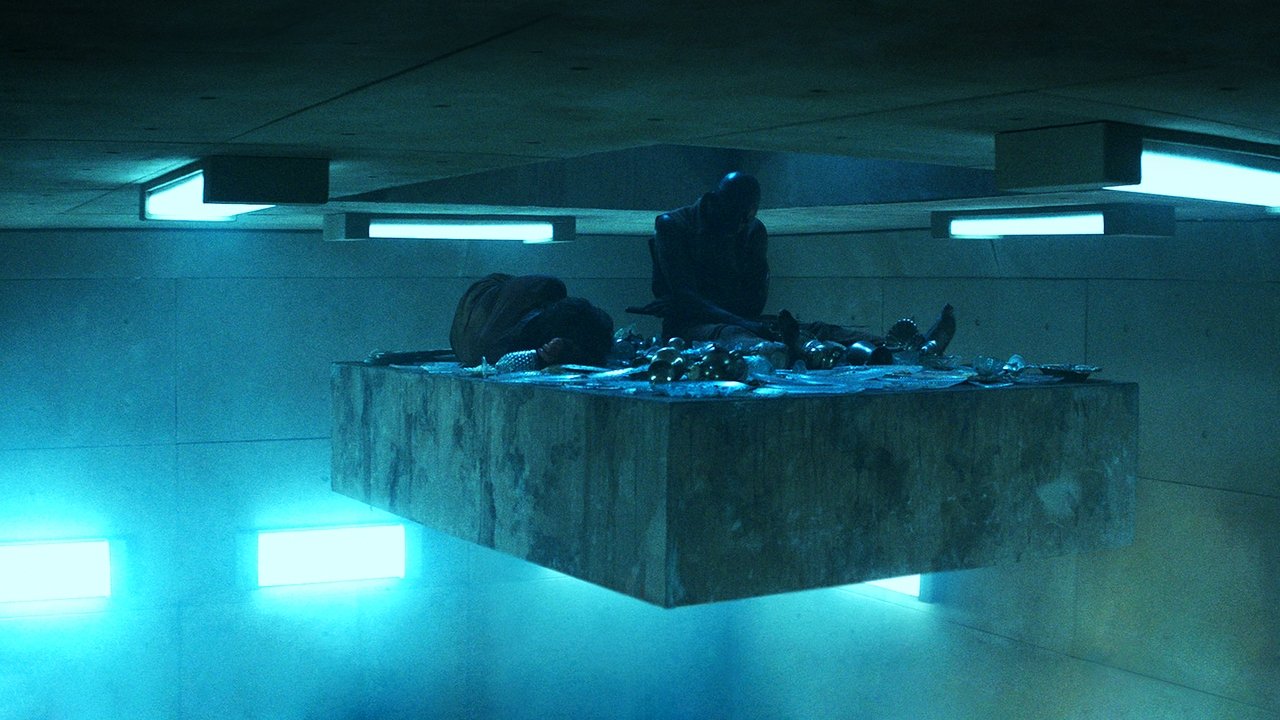
Director Gaztelu-Urrutia minimizes explanation, letting the situation itself communicate the system to the audience. Within the tight constraint of a vertical space, he conveys the isolation and terror of the characters effectively. The fact that a visually restricted setting never feels monotonous comes down to the tension being generated by the relationships and choices between characters rather than by the environment. The film’s low budget actually amplifies the sense of pressure rather than limiting it.
Performance — From idealist to realist
Iván Massagué convincingly plays a protagonist who gradually absorbs the world around him. The arc from naive idealist to a pragmatist who accepts compromise and violence is natural. Antonia San Juan’s former management employee Imoguiri — though on screen briefly — is a pivotal role that illuminates yet another layer of the system.
What the film says — A blunt allegory for the capitalist class structure
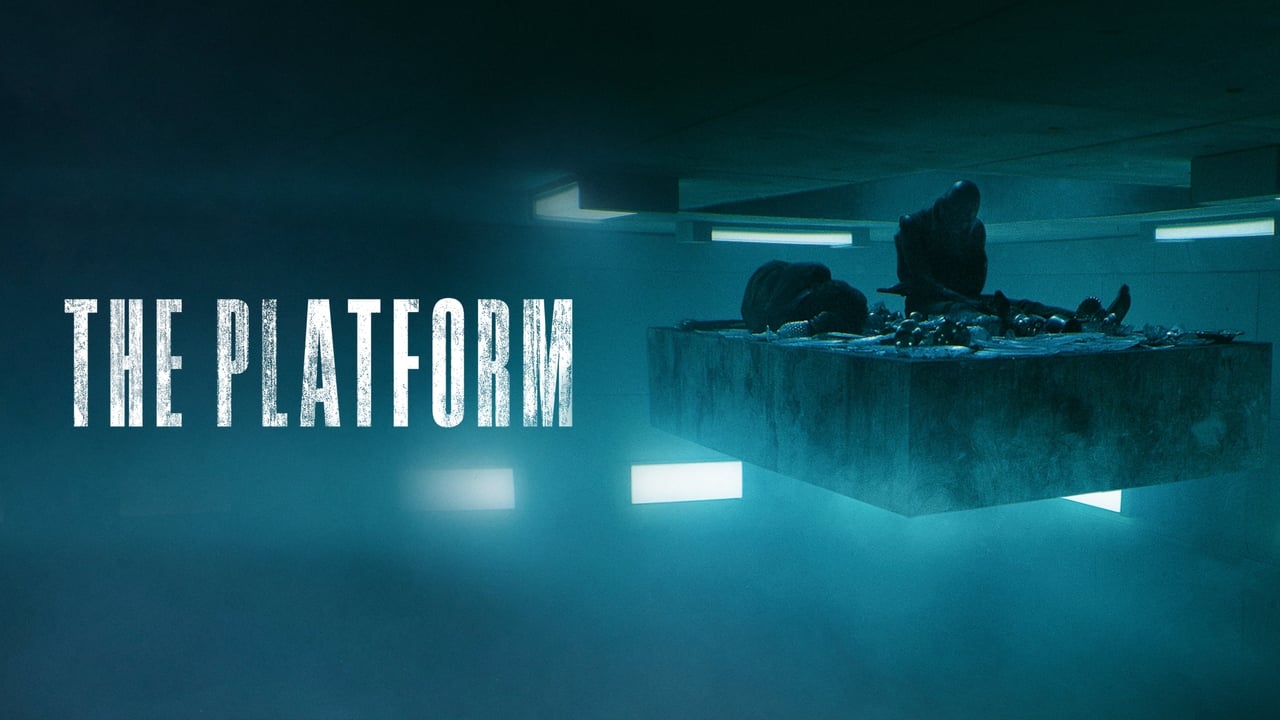
This film is an allegory for capitalism. The food platform is wealth. The upper floors are the established elite. The lower floors are the poor. The Administration is the government. The monthly floor shuffle is the uncertainty of social mobility. The human tendency to ignore those below when you happen to be near the top; the lesson that resistance must start from below — the film delivers these allegories very directly. Some may find that too heavy-handed, but the directness is precisely what makes the message clear.
Ratings & reception
IMDb scores it 7.0. Rotten Tomatoes gives it 81%, a fresh rating. After its Netflix release it became a global talking point — one of the most-watched films during COVID lockdowns. It received multiple Goya Award nominations in Spain. While it is often consumed as straightforward horror-thriller, the dominant critical view is that it’s a richer work when read as social allegory.
What doesn’t quite work
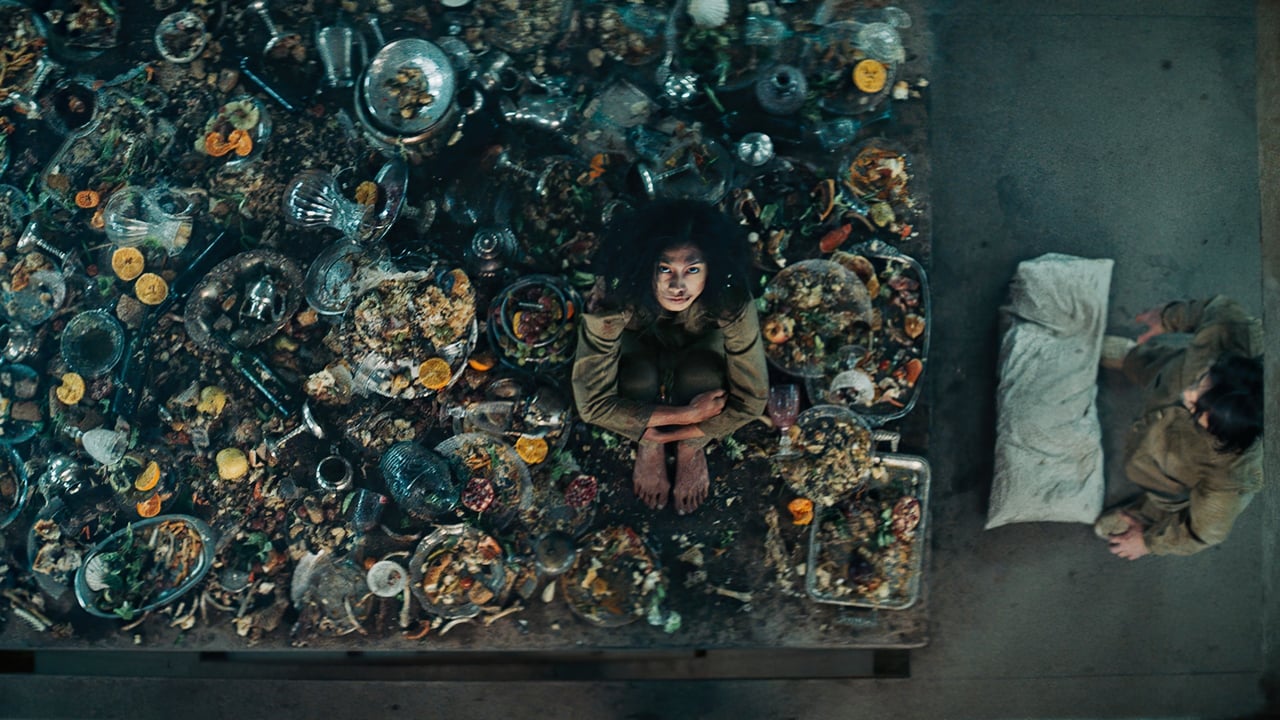
The allegory is so direct that viewers hoping for nuance may be disappointed. The open ending divides opinion. The violence is fairly graphic and may be uncomfortable for some viewers. Because the social critique is so pronounced, there are moments where the message gets ahead of the story — characters tend to function more as instruments of allegory than as people with lives, which means intellectual understanding arrives before emotional engagement. Goreng’s psychological changes also progress at a pace that sometimes feels driven by genre necessity rather than convincing character development. Certain premises within the film’s own logic also lose consistency on closer inspection; the first viewing delivers a strong impression, but the film offers diminishing returns on a rewatch.
Verdict
Few films deliver such a clear message so uncomfortably within 95 minutes. If you carry anger or anxiety about social structures, the experience is particularly intense. Rewatching it surfaces details you missed the first time. The film’s final scene invites open interpretation — whether the child is delivered as a message to the Administration, or whether everything is a hallucination of Goreng’s, is a debate that has run continuously since release. Either way, the message doesn’t change: systems are not changed by individual goodwill; change can only come from attempts to transform the structure itself. That the Spanish low-budget film delivers this simple, powerful message so effectively remains remarkable.
Recommended for
- Fans of socially critical sci-fi
- Viewers looking for distinctive foreign films on Netflix
- Those curious about direct allegorical films on capitalism and class
Comments